Don't treat liver, spleen, and kidney coldness blindly! One ancient formula specifically targets cold in the liver, spleen, and kidney organs!
Yang Qi is the body’s "warming engine," sustaining the normal functioning of the internal organs. Once Yang Qi becomes deficient, cold pathogens are prone to invade and linger internally, leading to various discomforts. If the spleen and stomach lose their Yang warmth, symptoms such as postprandial vomiting and cold pain in the epigastric region occur; if the liver loses its warming and clearing function, upward reversal of cold pathogens can cause vertex headaches; when the primordial Yang in the kidneys is insufficient, rising cold can trigger vomiting of clear fluids and cold hands and feet. These are all manifestations of cold pathogens wreaking havoc in the liver, spleen, and kidney organs.
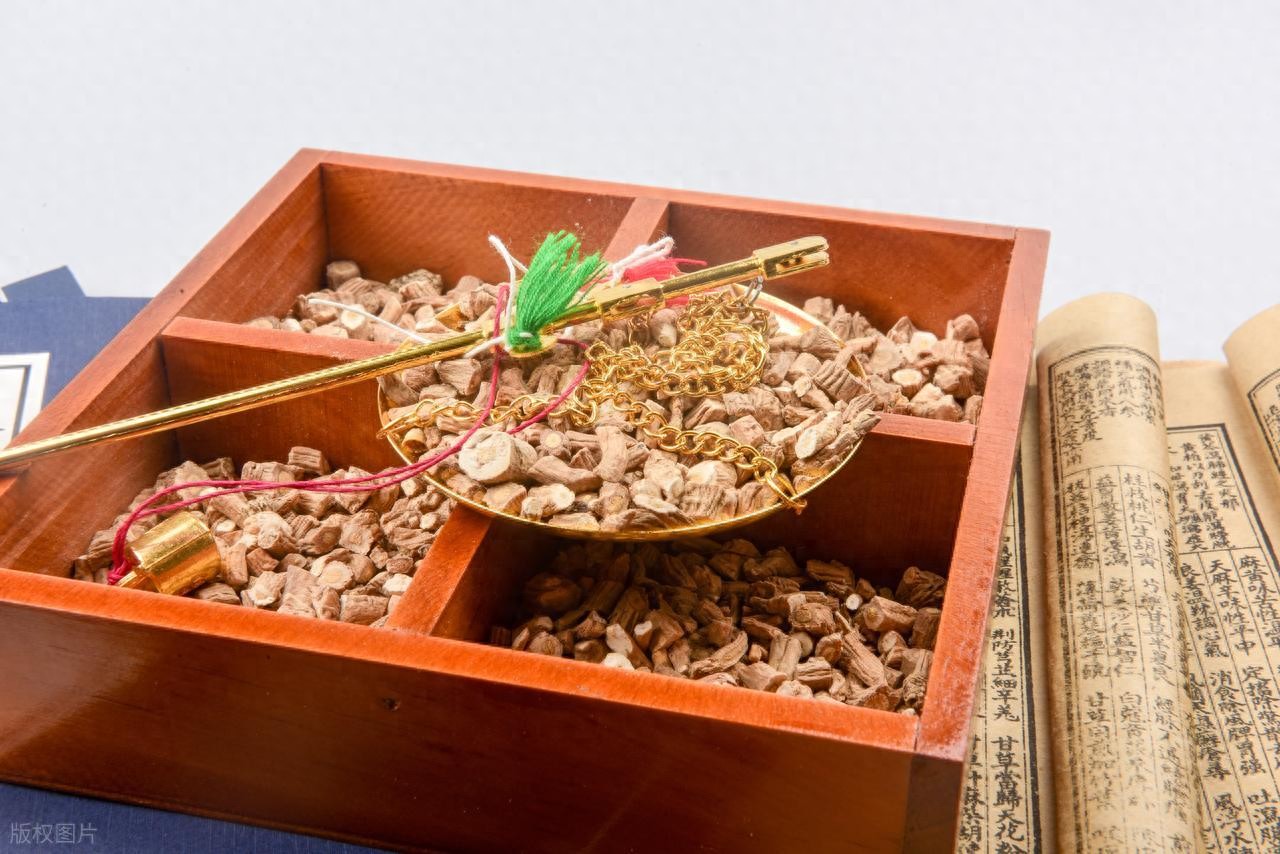
To target the expulsion of cold, one may consider Evodia Decoction (Wuzhuyu Tang) from Zhang Zhongjing’s "Treatise on Cold Damage and Miscellaneous Diseases" of the Han Dynasty. Its core effects are warming the middle, tonifying deficiency, descending rebellious Qi, and stopping vomiting. It specifically targets cold syndromes of the liver, spleen, and kidney organs and has a regulatory effect on the aforementioned discomforts and associated symptoms such as a dull complexion, fatigue and lassitude, clear and diluted urine, and loose stools.
This formula consists of Evodia Fructus, ginger, ginseng, and jujube. It is important to note that this formula is contraindicated for individuals with a hot constitution or yin deficiency with effulgent fire, especially those exhibiting symptoms of excess heat such as a flushed face, red eyes, dry mouth, and constipation. Pregnant and breastfeeding women should use it with caution. The core pathogenesis addressed by Zhang Zhongjing when applying this formula is "liver and stomach deficiency-cold, with turbid yin counterflowing upward," with the root cause of liver-cold often lying in the insufficiency of spleen and kidney yang qi.
In the formula, Fructus Evodiae serves as the sovereign herb. Acrid, hot, and potent, it enters the liver, spleen, kidney, and stomach meridians, warming the middle burner to dissipate cold, descending qi to relieve pain, making it the targeted remedy for liver cold and qi stagnation pain. Ginger assists Fructus Evodiae in enhancing its ability to warm the middle burner and descend rebellious qi, specifically targeting vomiting caused by cold pathogens. Ginseng greatly tonifies original qi and moderates the warm and drying nature. Jujube fortifies the middle burner and nourishes blood while moderating the formula's properties. The combination of these four herbs achieves a synergistic effect that warms yang, disperses cold, tonifies qi, and protects fluids.
It is worth mentioning that although Eucommia bark has toxicity, its toxicity can be reduced and efficacy enhanced after processing. In modern clinical practice, a dosage of 3-5g is commonly used, but this dosage may not achieve the original formula’s warming and unblocking effects, and adjustments should be made under the guidance of a doctor as appropriate. Additionally, Eucommia Bark Decoction has strong warming and drying properties and should not be taken long-term. Those without a constitution characterized by cold stagnation should avoid using it.