When nourishing the kidneys, you must understand how to guide fire back to its source! A single traditional Chinese herb can guide fire back to its source, keeping you away from the condition of upper heat and lower coldness.
Why do many people see little to no effect from nourishing their kidneys, and some even feel more deficient the more they nourish them? Actually, when it comes to kidney nourishment, one must understand a principle: guiding fire back to its source. This is particularly important for those who constantly feel warm in their upper body but cold in their lower body—a condition known as "upper heat and lower coldness."

Think about it: some people, when experiencing kidney deficiency, often feel soreness in their lower back, weakness in their legs, and are more sensitive to cold, with their knees and calves feeling cold. They may also urinate more frequently and lack energy or interest in sexual activity. At the same time, they are prone to "internal heat" symptoms, such as mouth ulcers, swollen and painful gums, restlessness, and insomnia. This happens because the yang energy in the kidneys has strayed from its proper place. Instead of staying in the kidneys, it moves upward, causing the imbalance of upper heat and lower coldness.
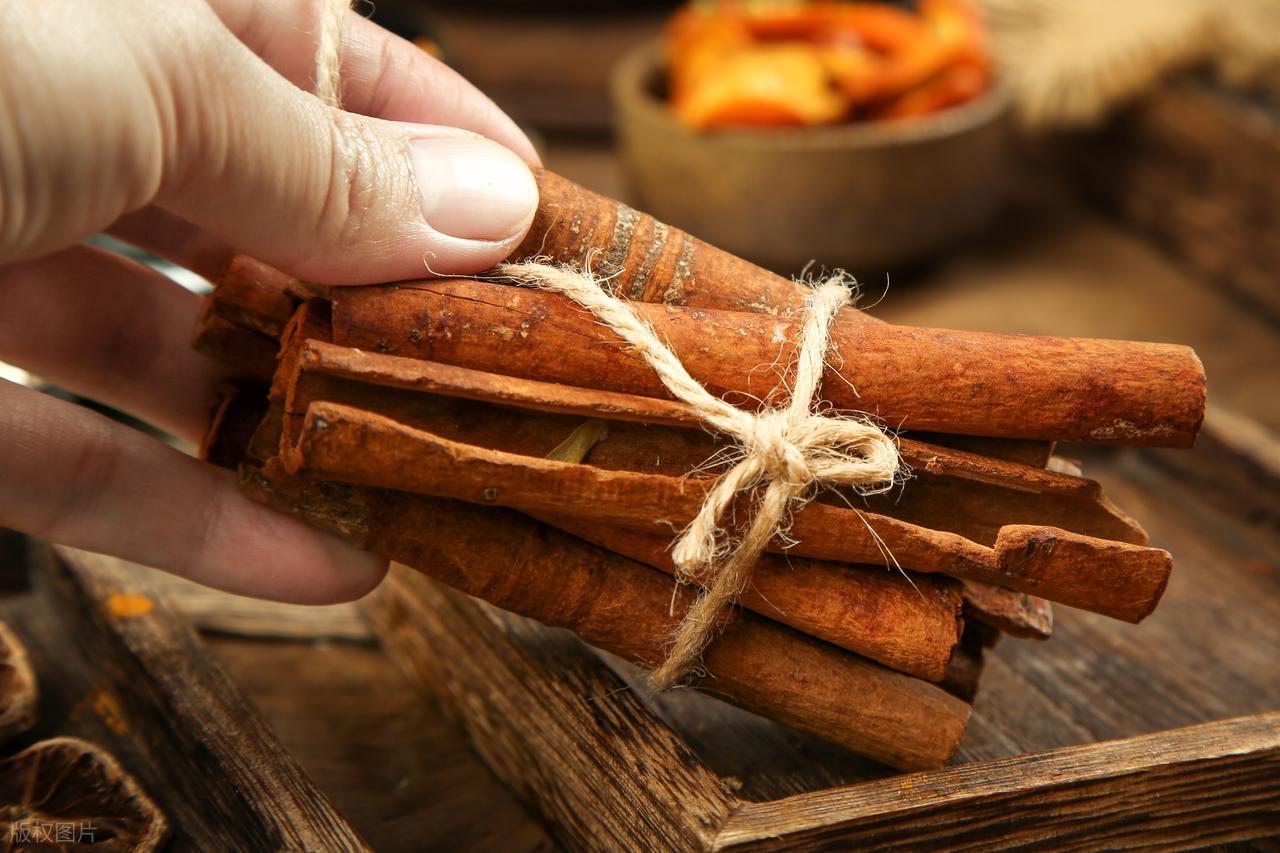
At this point, the key to tonifying the kidneys is to pull this scattered yang qi back into the kidneys—this is what we commonly refer to as "guiding fire back to its origin." Here, we must mention cinnamon bark. It acts like a guide, directing the floating yang qi from the upper jiao downward, allowing it to obediently return and take root in the kidneys. Moreover, cinnamon bark itself also helps tonify kidney yang. Many traditional kidney-tonifying formulas passed down by our ancestors, such as Gui Fu Di Huang Tang and You Gui Yin, include cinnamon bark as an essential ingredient.
Here’s an important reminder: don’t just reach for heat-clearing herbs whenever you experience frequent "internal heat"! Why? Because your "heat" may not be due to excess heat in the body but rather a result of kidney yang deficiency. Yin and yang in the body should be balanced. When yang is deficient, it can’t restrain yin, causing yang qi to be forced upward. Most heat-clearing herbs are cold or cooling in nature and can further damage yang qi if used indiscriminately, exacerbating yang deficiency. This can make the "internal heat" even worse and potentially lead to recurrent issues. Be sure to avoid this common pitfall.
Of course, if your condition is more complex, relying solely on cinnamon bark may not be sufficient, and it may need to be combined with other herbs for proper regulation. In any case, adjustments should be made based on your individual circumstances. Never use herbs blindly, as inappropriate use can worsen the condition or delay proper treatment.

The content of this article is for informational purposes only and should not be used as a basis for diagnosis or treatment. If you experience any discomfort, it’s best to consult a doctor. We’ll continue this discussion in the next installment!