The Key to Dampness Removal Lies in Soothing the Liver: Traditional Chinese Medicine Shares Two Herbs to Empty the Body of Dampness!
Easy sweating, sallow cheeks, sticky stools, a swollen tongue with teeth marks, oily face, and itchy skin. Many people have tried various methods with little improvement. Today, Dr. Li will teach you two techniques that target the root cause and eliminate dampness!
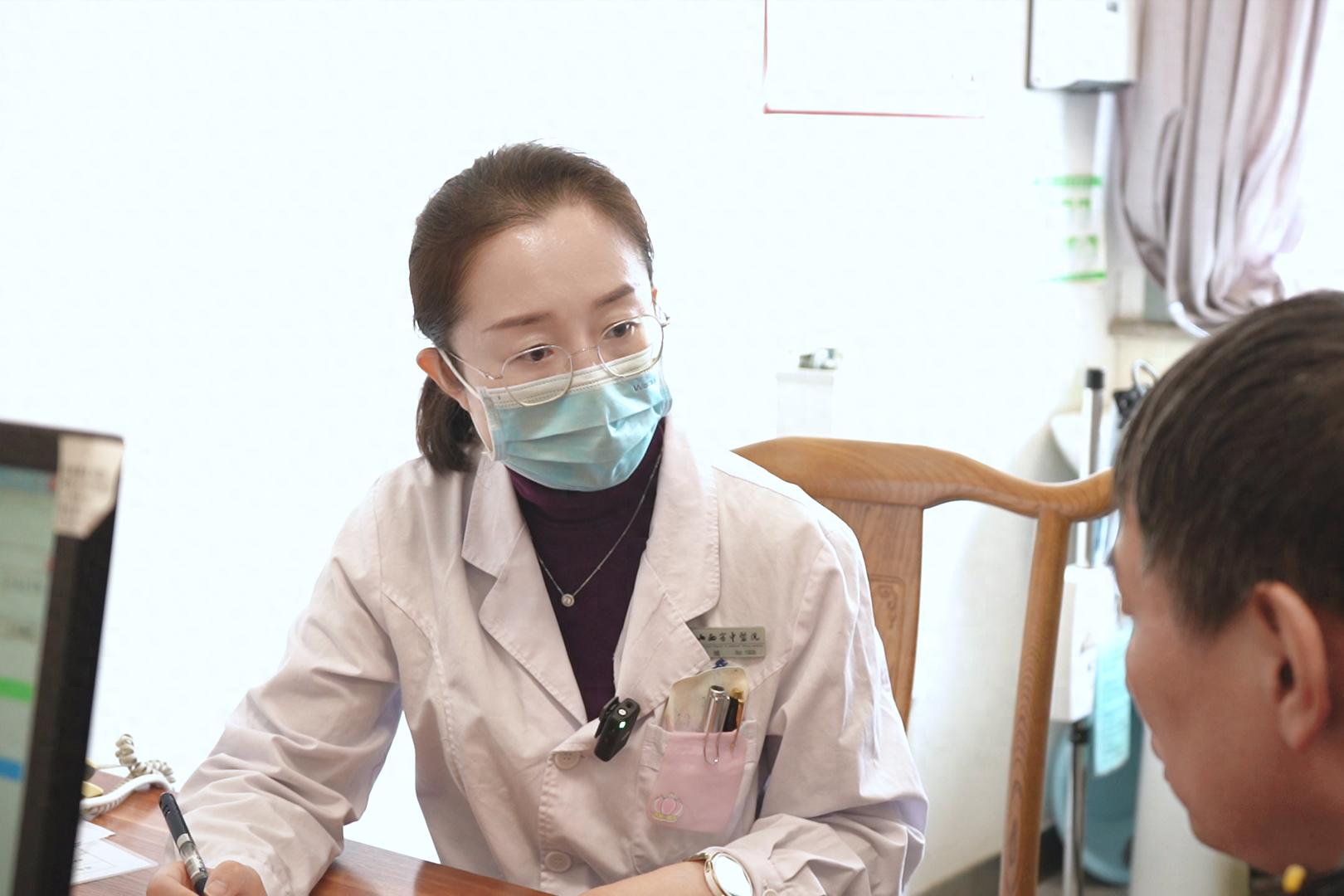
In Traditional Chinese Medicine, there is a saying: "Where dampness resides, illness arises." In fact, many overlook a crucial factor: where does dampness actually come from? Without understanding this root cause, using countless dampness-removing herbs will be futile.
In modern times, people often experience significant stress, which can lead to emotional stagnation issues such as irritability or excessive worry. Over time, this may cause stagnation of liver qi. Liver stagnation, in turn, can affect the spleen and stomach, eventually leading to spleen deficiency. From the perspective of traditional Chinese medicine, the spleen governs transformation and transportation, which includes the metabolism of dampness. If the spleen becomes deficient, issues like internal dampness accumulation are likely to arise.
Therefore, if one only focuses on strengthening the spleen without addressing liver stagnation, it becomes difficult to fully eliminate dampness. In treatment, it is essential to prioritize soothing liver qi first. One commonly used formula for this purpose is **Chai Hu Shu Gan San**, which helps to disperse stagnant liver qi.
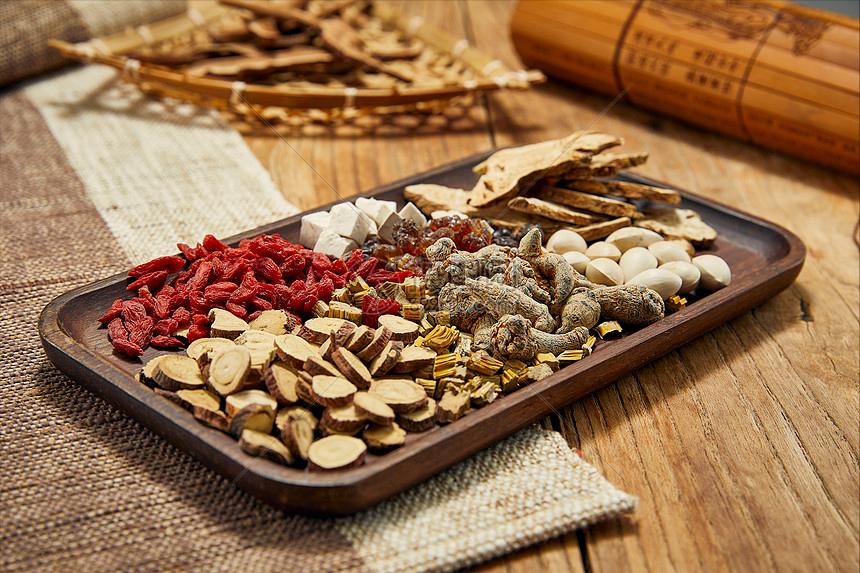
After addressing liver stagnation, the next step is to strengthen the spleen. Individuals with spleen deficiency and excessive dampness often exhibit symptoms such as a sallow complexion, fatigue, and poor appetite. In such cases, **Shen Ling Bai Zhu San**, with modifications as needed, can be considered to strengthen the spleen and eliminate dampness.
Thus, managing dampness requires addressing the root cause. The information provided here is for reference only. Specific conditions should be treated in accordance with a doctor’s recommendations.