Psoriasis: Willow bark, which has the effects of clearing heat and drying dampness, dispelling wind and relieving itching, cooling blood and detoxifying
Hidden in Your Surroundings, Many People Mistakenly Discard It as Trash!
Willow bark, bitter and astringent in taste, cold in nature, and associated with the lung, liver, and gallbladder meridians, has the effects of clearing heat and drying dampness, dispelling wind and relieving itching, and cooling blood and detoxifying.
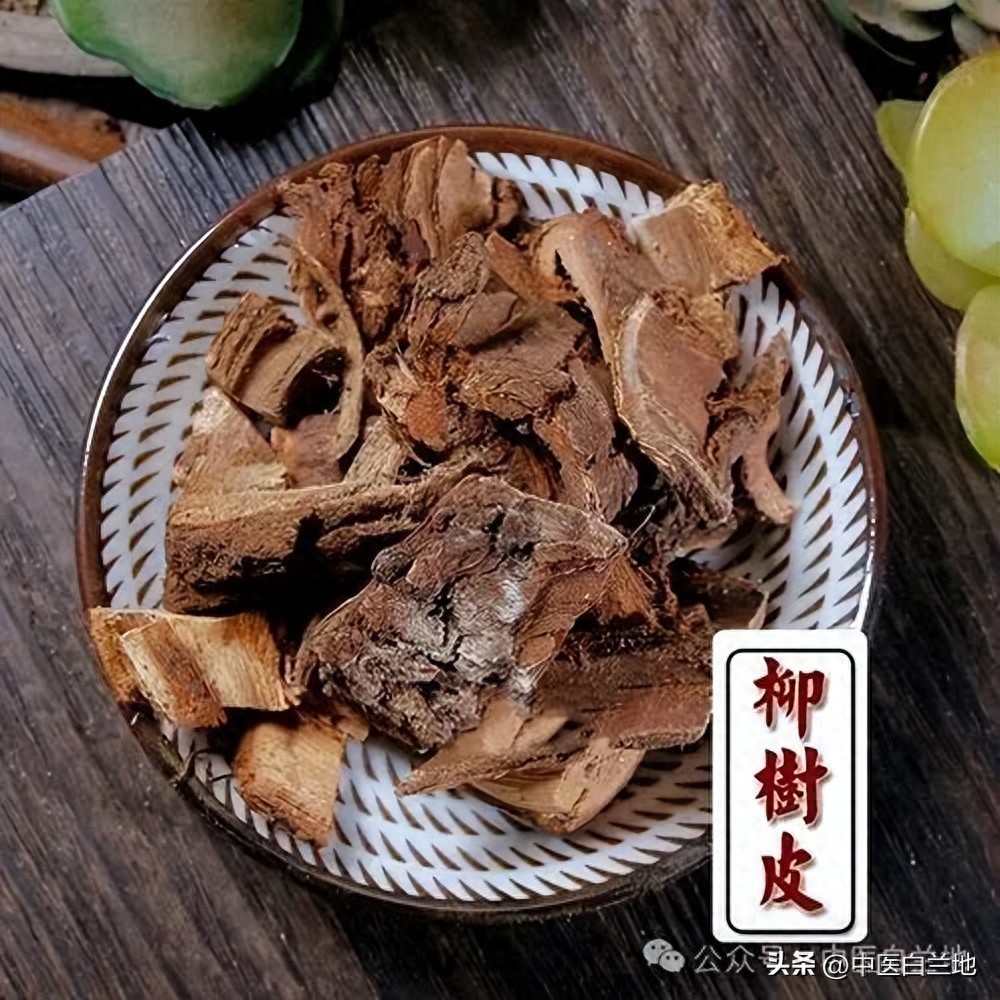
The Compendium of Materia Medica recorded early on: "Willow bark treats carbuncles, sores, swellings, wind-itch malignant sores, scalds, and burns." Among these, "wind-itch malignant sores" includes stubborn skin conditions such as psoriasis. Modern research has also found that the salicylic acid component in willow bark can soften keratin and alleviate scales, which aligns with the traditional Chinese medicine concept of "drying dampness."
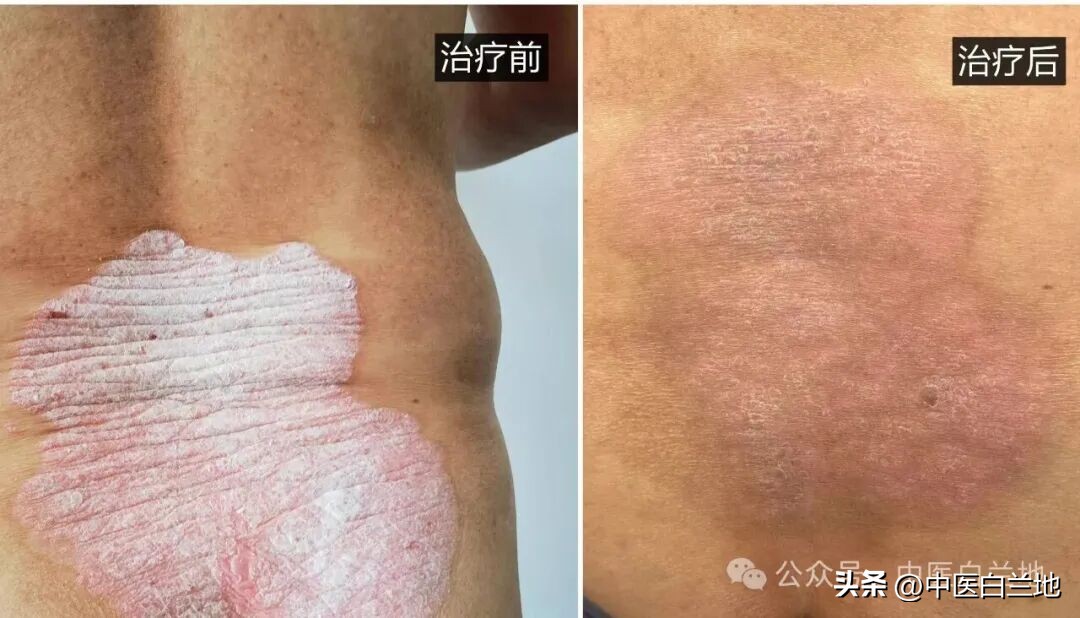
Last autumn, Mr. Zhang, aged 42, came for a consultation with a 3-year history of psoriasis. Scattered erythematous patches of varying sizes covered his limbs and back, overlaid with thick silvery-white scales, accompanied by intense pruritus that made it difficult for him to sleep at night.
Chief complaint:
The patient reports a habitual preference for spicy foods and frequent late nights, with susceptibility to dry mouth and dry stools. The tongue appears dark red with a thin yellow coating, and the pulse is wiry and rapid.
Syndrome Differentiation:
It belongs to blood heat and wind dryness with skin malnutrition, and the treatment focuses on clearing heat and cooling blood, dispelling wind and relieving itching, nourishing blood and moistening dryness.
Prescription:
Willow bark clears heat, dries dampness, cools blood, and relieves itching, serving as the sovereign herb; honeysuckle, forsythia, and dandelion clear heat and detoxify, assisting in cooling blood; Chinese angelica, rehmannia, and white peony root nourish blood and moisten dryness, improving skin malnutrition; saposhnikovia root, schizonepeta, and cicada slough dispel wind and relieve itching, alleviating pruritus; dictamnus root and broom cypress fruit enhance the effects of drying dampness and relieving itching; honey-fried licorice harmonizes all the herbs.
After 1 month of medication, the patient reported significant relief from itching and the onset of scale shedding. Following an additional 2 months of continued treatment, the erythema lightened in color and reduced in area, with improvements in symptoms such as dry mouth and constipation. After 3 months of consolidation therapy, the erythema had largely subsided, leaving only minimal residual pigmentation. No recurrence was observed during a 6-month follow-up period.
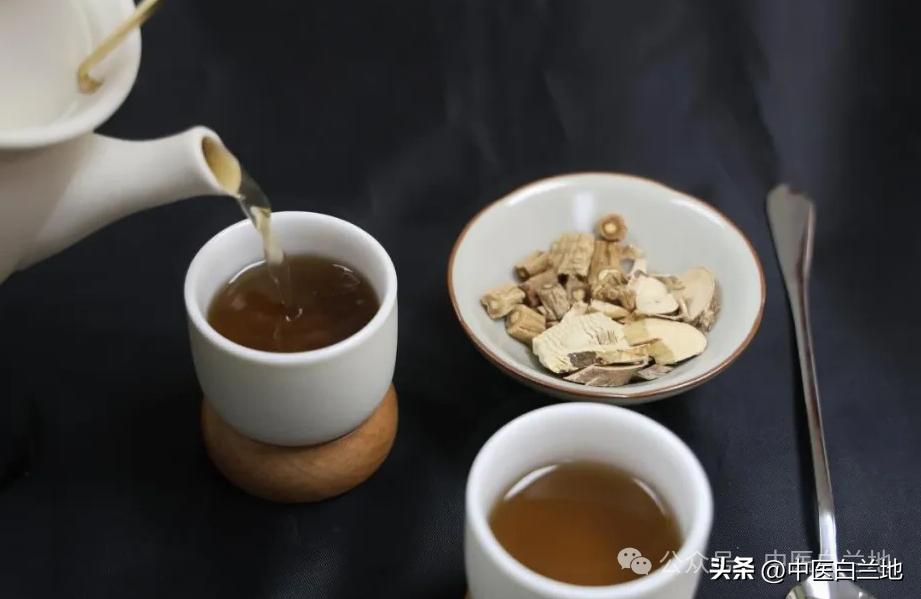
In addition to being used in medicinal formulations, willow bark can also be easily utilized in daily home care. Here is a simple tea recipe, particularly suitable for patients with mild psoriasis or for maintenance during the recovery period:
Willow Bark Moistening Tea Drink (Suitable for Mild Symptom Support)
Dry Willow Bark, Chrysanthemum, Ophiopogon Japonicus
[Method] Place willow bark, chrysanthemum, and Ophiopogon japonicus into a health pot, add 1000ml of water, bring to a boil, then reduce heat and simmer for 10 minutes. Drink as a tea substitute, and a small amount of rock sugar may be added for flavor.
Efficacy Clears heat cools blood nourishes yin and moistens dryness improves the condition of dry mouth and skin in psoriasis patients suitable for daily consumption by patients with blood deficiency and wind dryness pattern
The management of psoriasis requires "addressing both internal and external factors, treating both symptoms and root causes," and should be tailored based on constitutional differentiation. If there are extensive erythematous areas, severe itching, or accompanying joint pain, it is advisable to seek medical attention promptly and undergo comprehensive treatment under the guidance of a professional physician.
Daily precautions:Avoid spicy foods, seafood, alcohol, and smoking; refrain from scratching the affected area. Ensure adequate sleep and avoid staying up late. Maintain a positive mood and engage in moderate exercise, such as walking or Tai Chi, to enhance physical fitness, which is more conducive to recovery.