Goji berries can not only increase sperm, but also lower blood sugar? Eat dry or soak in water? What's the point?
As a traditional medicinal and food homologous ingredient in our country, wolfberry is recorded in the "Book of Songs", and the "Shennong Materia Medica" lists it as a superior product, and the 2020 edition of the "Pharmacopoeia of the People's Republic of China" also clearly includes it as a yin nourishing medicinal material. It not only carries the wisdom of millennia of health preservation, but also has been confirmed by modern research to have multiple health values, and the discussion of the efficacy of "increasing sperm" and "lowering blood sugar" and the choice of consumption methods have always been the focus of public attention. This article combines authoritative research and classic records to scientifically interpret the health code of wolfberry for you.
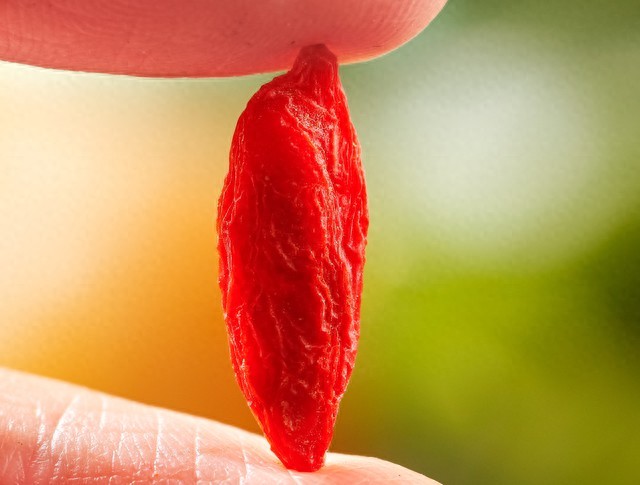
Goji berries, correct your health misunderstandings, nourish the kidneys, compendium of Materia Medica, health care products, national health douup, green tea, high blood pressure, the country's famous doctors on the headlines, longan
1. "Sperm" effect: It is not "urging", but a gentle conditioning that nourishes the kidney essence
Many people have misunderstandings about the "sperm" of wolfberry, in fact, its core function is to "nourish the kidneys and sperm", rather than directly stimulating reproductive desire.
Theoretical support of traditional Chinese medicine
Traditional Chinese medicine believes that "kidney essence" is the core material basis of human reproduction, development and aging. The Compendium of Materia Medica, which clearly records that wolfberry "nourishes the kidneys, moistens the lungs, and brightens the eyes", and the "Shennong Materia Medica" mentions that it "takes it for a long time, strengthens the muscles and bones, and lightens the body and does not age", all of which point to its nourishing effect on the kidney essence. This kind of "sperm enhancement" is a conditioning for the decline of reproductive function caused by kidney essence deficiency, such as decreased sperm quality and lack of energy, rather than the "craving" effect on healthy people.
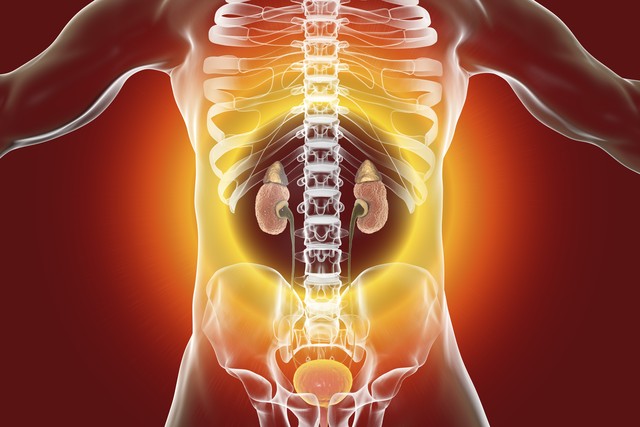
Modern research empirical evidence
A clinical study by Yale University School of Medicine in the United States showed that 75 men aged 20-40 years experienced improvements in sperm density, motility and morphology, increased testosterone levels, and decreased sperm DNA fragmentation index after oral administration of goji berry extract for 12 weeks. Research by the Chinese Academy of Medical Sciences also found that zinc, wolfberry polysaccharides and other components in wolfberry can participate in the metabolism of the reproductive system, and have an auxiliary improvement effect on asthenospermia and oligospermia caused by insufficient kidney essence.

2. "Hypoglycemic effect": low GI attributes + active ingredients, assisting in sugar control rather than hypoglycemic drugs
Goji berries taste sweet, but they have been proven to be beneficial for blood sugar regulation, and the core lies in their special nutritional composition and mechanism of action, and they are definitely not a substitute for hypoglycemic drugs.
Authoritative institutions and classics support it
The National Health Commission lists wolfberry as a homologous ingredient in medicine and food, and the "Materia Medica" clearly records that "wolfberry yam decoction, cures thirst (ancient name for diabetes), and drinks more than water", which directly points to its regulatory effect on glucose metabolism. According to the data of the "Chinese Food Composition Table", the glycemic index (GI) of goji berries is only 29, which is a low GI food, much lower than white rice (about 80 GI), and even if the sugar content is not low, it will not cause a sharp increase in blood sugar.
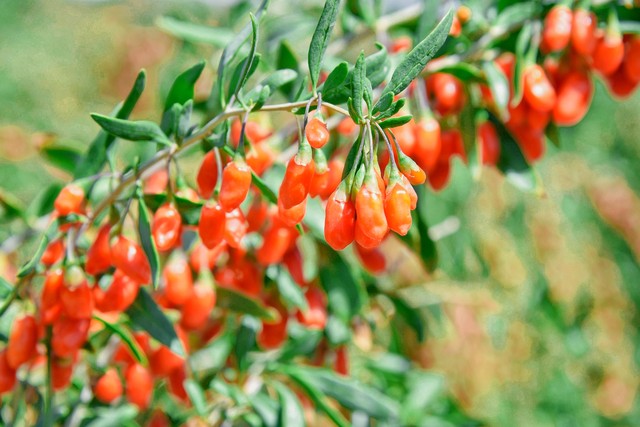
Modern pharmacological mechanisms
Improve insulin sensitivity: Goji berry polysaccharide (5-8% content) activates the AMPK signaling pathway, increasing insulin activity by 34%, helping to improve insulin resistance, a mechanism confirmed by experiments in the Journal of Pharmacology.
Delays sugar absorption: Guanidine derivatives in goji berries can inhibit intestinal α - glucosidase activity by 42%, and flavonoids can hinder starch degradation and delay the conversion of carbohydrates into glucose.
Clinical data support: A study published in the Chinese Journal of Endocrinology and Metabolism in 2021 showed that patients with type 2 diabetes who supplemented 10 grams of dried wolfberry fruits daily reduced their fasting blood sugar by an average of 8% and glycated hemoglobin by 0.4% after 8 consecutive weeks; A small controlled trial of the Chinese Academy of Medical Sciences also showed that consuming 12 grams of dried goji berries daily reduced fasting blood sugar by about 9.2% after 8 weeks.

3. Eating method competition: dry eating vs soaking in water, each has its own advantages and disadvantages to choose the right one to be effective
The consumption of goji berries directly affects the absorption of nutrients, dry eating and soaking in water are the two most common ways, and the core differences are focused on nutrient retention, absorption rate and applicable population.
Contrast dimensions
Eat goji berries dryly
Soak goji berries in water
Nutrient retention
Heat-sensitive components such as vitamin C and anthocyanins are intactly retained without loss
Water-soluble components (B vitamins, minerals) are precipitated, fat-soluble components (lutein) are difficult to precipitate, and vitamin C is lost 23.7%
Ingredient absorption rate
The absorption rate of active ingredients reaches 76-82%, and the serum goji berry polysaccharide content is higher
The absorption rate of active ingredients is only 42-48%, and some of the nutrients remain in the pulp
Applicable people
Those who have a peaceful physique, no fire tendency, and pursue nutritional maximization
Those who have a hot physique, are prone to anger, and need drinking water for daily office
Notes:
It is necessary to control the dosage to avoid excessive heating
The water temperature should not exceed 80°C, and it is recommended to eat the pulp after brewing
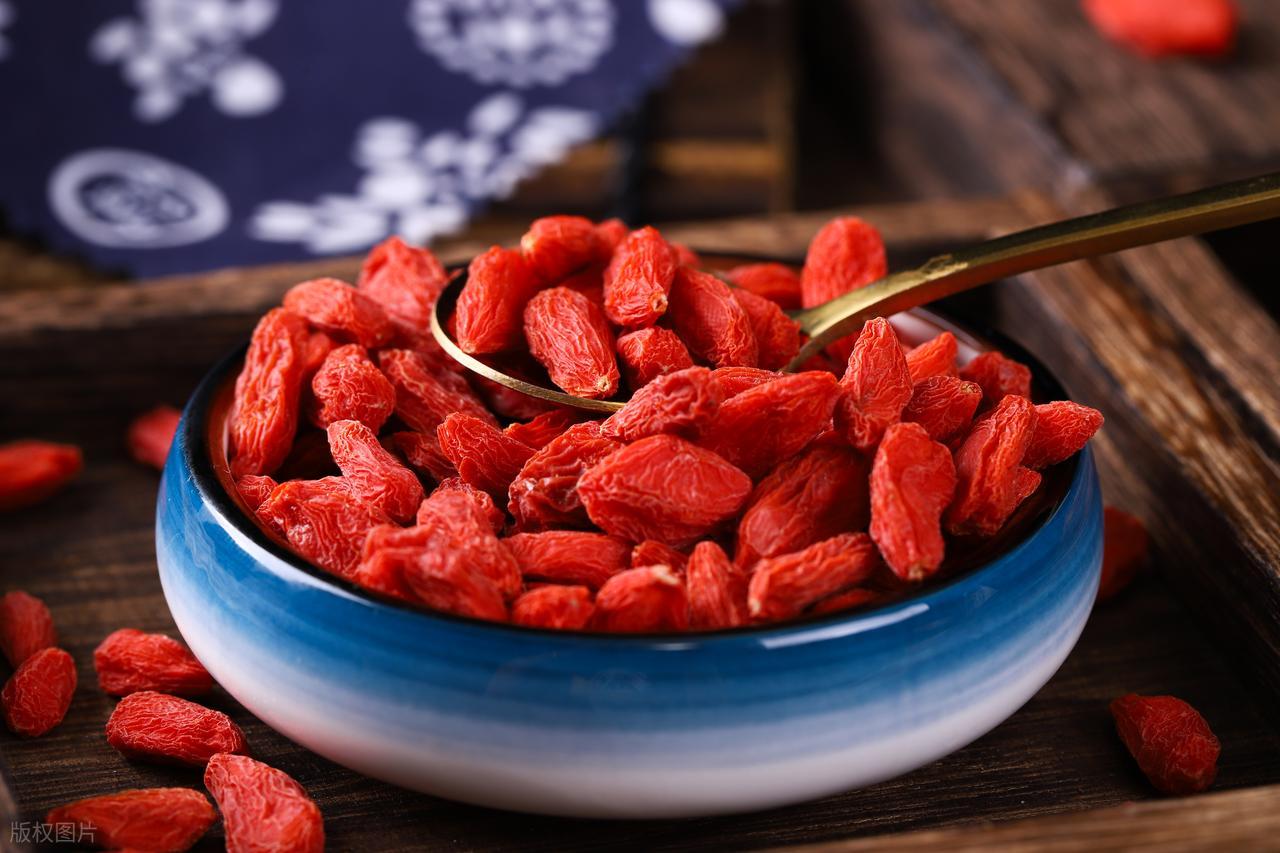
Key edible details
Dry eating tips: 15-20 grams (about 20-30 capsules) per day is appropriate, eat on an empty stomach in the morning or 3-5 pm, chew it and take it with 40°C warm water, divided into 2-3 times for better effect.
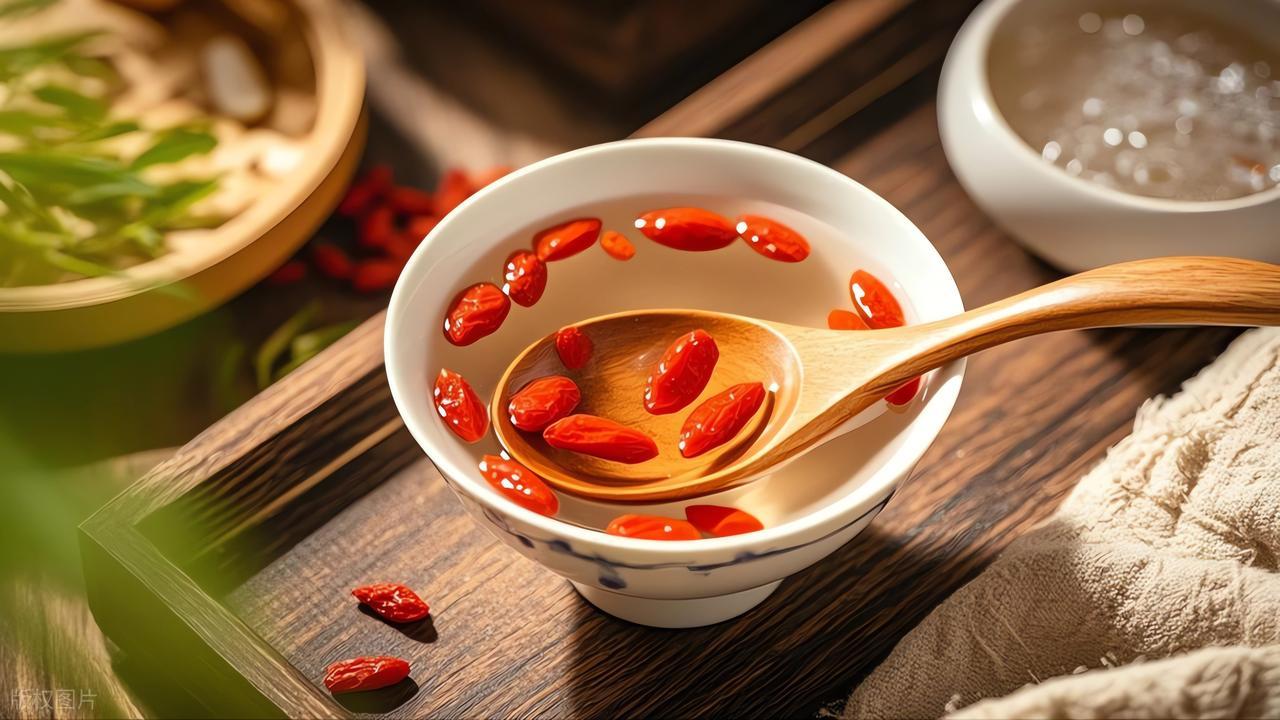
Soaking technique: 10-15 grams each time, brew with warm water at 60-80°C, brew repeatedly until the taste fades and then eat the pulp, avoid using sugar water and honey to avoid offsetting the sugar control effect.
4. The core of scientific consumption pays attention to the dosage, combination and taboos
To give full play to the health value of wolfberry, it is necessary to follow the three principles of "moderation, symptomatic and taboo" to avoid blind consumption.
Control the amount of gold used
Healthy people: 10-20 grams per day to supplement nutrition without increasing the burden on the body.
Special population: no more than 10 grams per day for diabetics, 15-25 grams for the elderly or weak, 30-40 grams for young and middle-aged manual workers, and the maximum daily dosage is not more than 50 grams, otherwise it is easy to cause anger and nosebleeds.

Reasonable matching to increase efficiency
Hypoglycemic combination: 15 grams of wolfberry + 30 grams of yam, steamed or boiled in soup in a 1:2 ratio, synergistically improve insulin sensitivity, suitable for type 2 diabetes patients.
Kidney tonic matching: 10 grams of wolfberry + 5 grams of chrysanthemum, soaked in water to drink, liver and kidney are nourished, suitable for people with sore waist and knees and dry eyes.
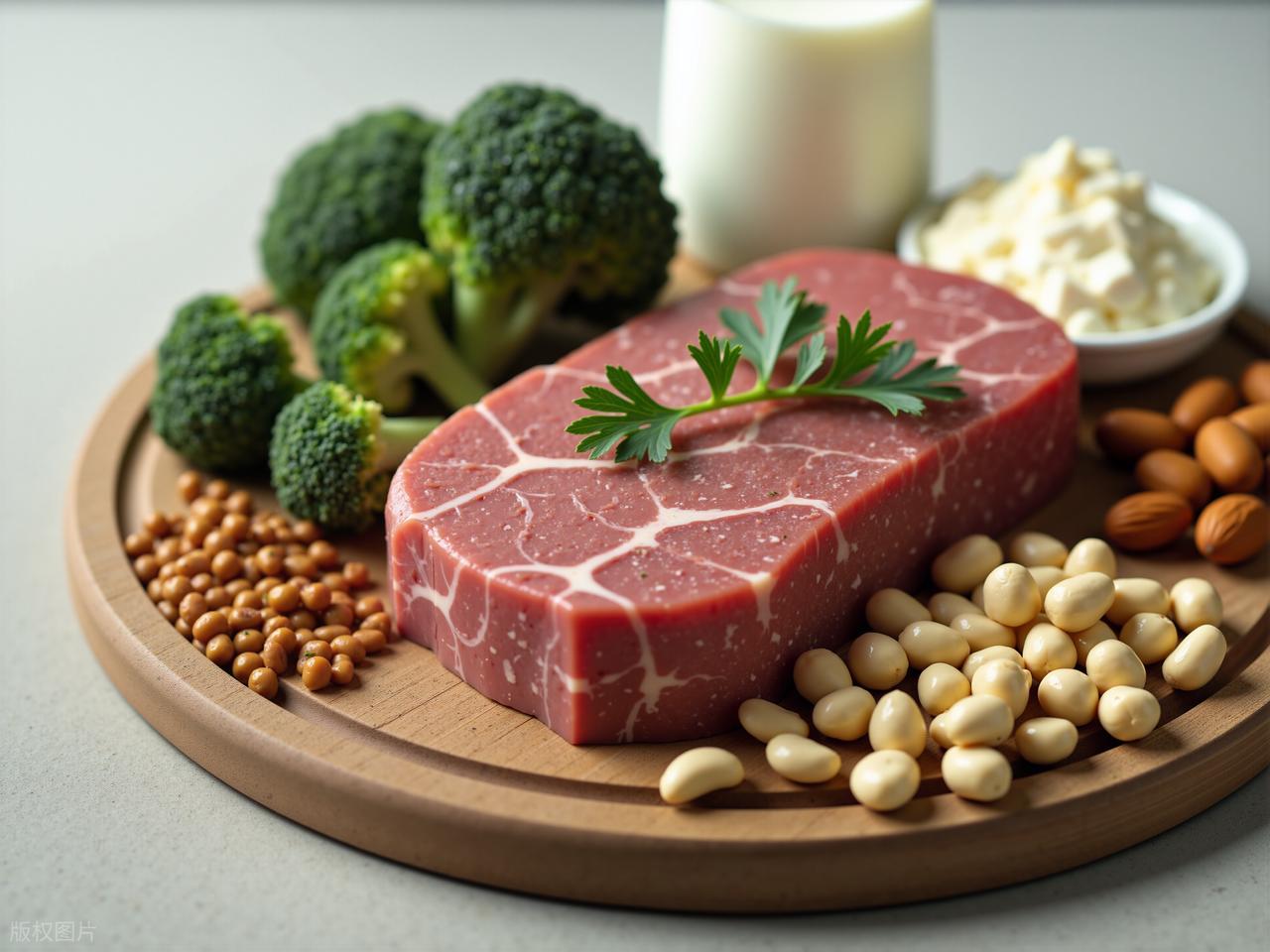
Immunomodulation: Goji berries + high-quality protein (fish, soy products) can increase the utilization of goji berries polysaccharides by 27%.
Clarify the contraindicated population
Absolute contraindications: It is contraindicated for those who are allergic to wolfberry, those with renal failure (eGFR<30ml/min), and those with hypoglycemia (blood sugar < 3.9mmol/L).
Relative contraindications: people with spleen and stomach deficiency and cold, diarrhea, colds and fevers, and inflammation of the body, patients with irritable temperament and high blood pressure need to reduce or suspend consumption.
Drug interactions: People taking anticoagulant drugs should avoid it, as the flavonoids in goji berries may increase the risk of thrombosis.

As a classic ingredient of the same origin as medicine and food, wolfberry is a gentle conditioning of kidney essence deficiency, and "auxiliary hypoglycemia" is based on the metabolic regulation of active ingredients, both of which need to be based on scientific consumption. Only by choosing a way to eat that suits your physical constitution, controlling the reasonable dosage, and matching the right ingredients can this "red treasure" truly serve health. Whether it is dry eating or soaking in water, the core is "moderate, symptomatic, and persistent", avoiding deifying its efficacy and not ignoring its health value.
References
[1] Yale University School of Medicine, USA. Effect of wolfberry extract on male fertility health [J]. Journal of Reproductive Medicine, 2015.
[2] Pharmacopoeia Commission of the People's Republic of China. Pharmacopoeia of the People's Republic of China (Part 1 of the 2020 edition)[S]. China Medical Science and Technology Press, 2020.
[3] Dr. Cuckoo. Hypoglycemia of wolfberry yam: from traditional experience to modern mechanism [J]. Journal of Traditional Chinese Medicine, 2025.
[4] Zhang Shouxiao. Does eating goji berries raise blood sugar or lower blood sugar? Chinese Journal of Preventive Medicine, 2025.
[5] Institute of Nutrition, Chinese Academy of Medical Sciences. Comparative study on nutrient absorption of wolfberry in different consumption modes [J]. Journal of Nutrition, 2025.
[6] Heart ancient medicine. Analysis of clinical benefits of moderate consumption of wolfberry in diabetic patients [J]. Chinese Journal of Endocrinology and Metabolism, 2021.
[7] Li Shizhen. Compendium of Materia Medica[M]. People's Health Publishing House, 1998.
[8] Shennong's Materia Medica[M]. Traditional Chinese Medicine Ancient Books Publishing House, 2013.
Disclaimer
This article is only popular science content and does not constitute medical advice, diagnosis or treatment. The health benefits of wolfberry are auxiliary and cannot replace drugs for treating diseases. There are differences in the physique and health status of different groups of people, and it is recommended to consult a doctor or nutritionist before consumption, and reasonably adjust the consumption method and dosage according to your own situation to avoid health risks caused by improper consumption.