The two fastest shortcuts to treating virtual fire, one is Feng sui dan, the other is Zhi ba di huang wan
Hello everyone, I am Dr. Wang. Do you also experience recurring mouth ulcers, occasional swollen and painful gums, and feel like you have a particularly high "fire" in your body? Then you might aggressively drink cold tea and take heat-clearing and detoxifying medicine, but what happens? It seems to help a bit, but it recurs quickly, and you even feel more physically weak, with your hands and feet starting to feel cold.
If you have this condition, you need to be careful. This "fire" is most likely a deficiency fire, and you are likely using the wrong "fire extinguishing" method!
The "upheaval" we usually refer to actually comes in two types: one is excessive "fire" (solid fire), and the other is deficiency fire caused by bodily imbalance. For solid fire, using heat-clearing medicine is like "a fire department using water to put out a fire" – no problem. But for deficiency fire, if you still use cold and cooling medicine, it's like "adding fuel to the fire," making the condition worse.
Today let's talk about this nagging virtual fire. In fact, it mainly falls into two categories. Only by finding the right approach can we steadily "invite" it away.
The first type: fire on the upper floor, but the lower floor is like an icehouse - kidney cold type virtual fire
Typical symptoms:
Oral ulcers, sore throat, toothache, but they all come and go repeatedly.
"Hot" in the upper body, pimples on the face, but the lower body, especially the waist, legs, and feet, are always ice-cold.
Easily tired, lacking energy, and prone to diarrhea after drinking something cold.
What's going on then?
In traditional Chinese medicine, the fire (or yang) in the human body should have a "home," and this home is in our kidneys, called "mingmen fire" in TCM. This fire isn't too big or too small—it's just right, warming our entire body, like home heating.
But if the kidneys are too cold, the yang feels uncomfortable, and this "home" turns into an icebox. The fire naturally can't stay there. Where can it go? It can only move upward, surging to our head and face, and thus the aforementioned "fire-up" symptoms appear.
This is called "虚阳上浮" (虚阳上浮), or a failure of "引火归元" (引火归元). Many people don't understand this principle. As soon as they see a mouth ulcer, they use Huanglian Shangqing tablets, which is like pouring another bucket of cold water into an already cold "home," completely driving out the meager flame, and naturally making the fire even bigger.
What to do?—Not extinguishing the fire, but "inviting the fire home"
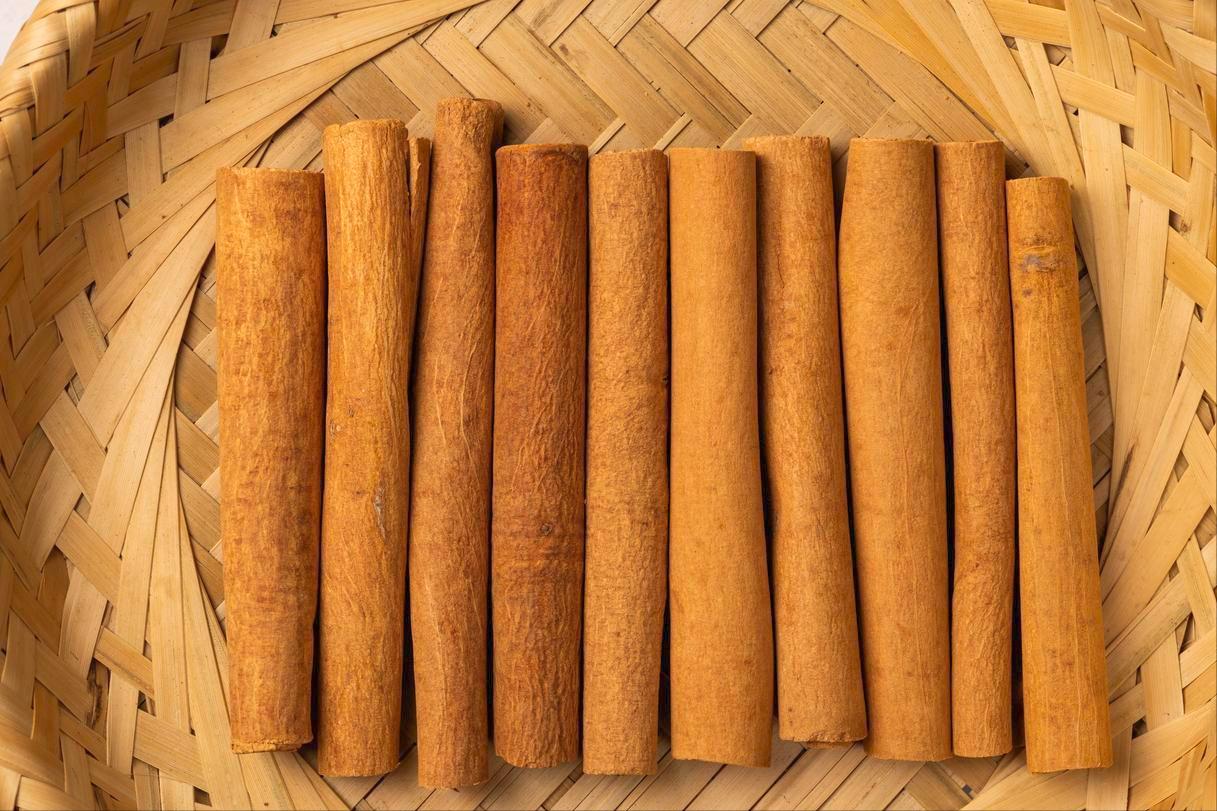
The correct approach is to warm up the "home" first, then send a guide to lead the wandering fire back. At this point, you need a great general—cinnamon. Cinnamon is very warm in nature, and it has a special ability: it can pull the fire that's going upward down, directly leading it back to the kidneys.
The most classic formula is Fengsu 丹 (封髓丹). It follows this approach: use warm herbs to warm up the "home," then lead the fire back, letting it quietly continue doing its job as heating should. Once the downstairs is warm, the fire upstairs will naturally subside.
The second type: the water in the pot has boiled dry, the pot is almost red hot - yin deficiency type virtual fire
Dry mouth and throat, always feeling thirsty, but drinking doesn't relieve the thirst much.
Feeling hot in the palms, soles, and chest, also known as "five-palm 烦热."
Easily sweating at night (night sweats), waking up with wet sheets.
People are relatively thin, easily irritable, and their tongues are red with no coating.
This is different.
We can imagine the Yin and Yang of the body as a pot of water and the fire underneath. Yin is the water, and Yang is the fire. Under normal circumstances, water and fire are balanced—the water prevents the fire from burning the pot dry, and the fire can warm the water.
But if, due to reasons like staying up late or overexertion, the "water" (yin fluids) in your body are depleted, with the water in the pot gradually diminishing while the fire below remains strong, what will happen? The fire will naturally appear particularly agitated, and the entire pot will become scorching hot.
This is "yin deficiency and fire excess." This fire is not external but rather the body's yin fluids failing to control the yang, leading to a relative surplus of yang and manifesting as a series of heat symptoms.
What to do? — Not to lower the fire, but "to add water to the pot"
At this point, if you use bitter-cold medicine to extinguish the fire, although it can temporarily suppress it, the water in the pot isn't increased at all, and the fire will flare up again after a while.
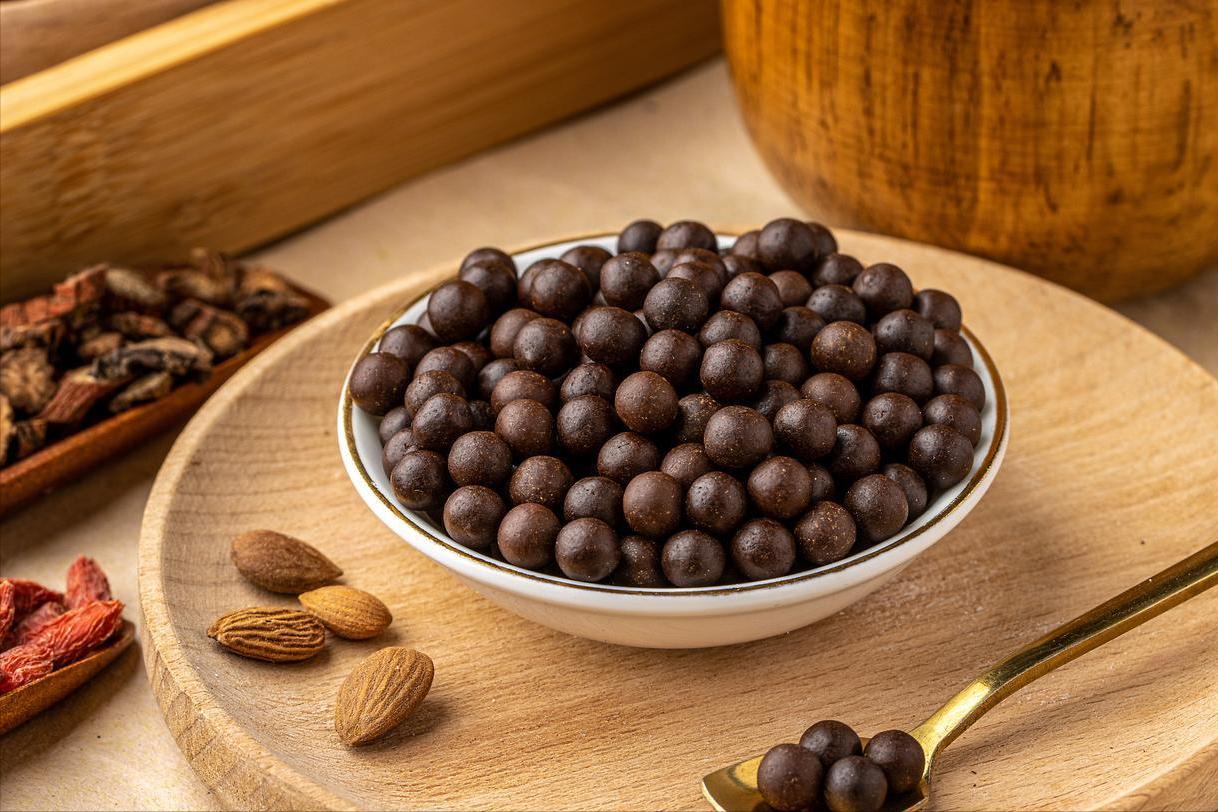
The correct approach is "nourishing yin to lower the fire," adding water to the pot while clearing away excessive fire Qi. At this stage, Zhibai Dihuang Wan comes into play.
The fu di (processed rehmannia) and yao (Chinese yam) in it are the main force for "adding water," responsible for replenishing the body's yin fluids; while huang bo (cinnamon bark) and zhi mu (anemarrhena) are the herbs that clear the virtual fire, able to lower the fire Qi that has "burned excessively" due to insufficient water. Once the water is sufficient, the fire is restrained by water, naturally becoming gentle.

Summarize
You see, the root causes are vastly different for the same "excess heat" issue:
One is because the "home" is too cold, forcing the fire to leave home out of necessity, requiring guiding the fire back to its origin.
The other is because there is too little "water," causing the fire to run rampant without restraint, requiring nourishing yin to reduce the fire.
So, the next time you feel "excess heat" (shang huo), don't jump to conclusions. First, identify which type of "deficiency fire" is causing the issue. Of course, this is just a TCM perspective, as body conditions are complex and ever-changing. If you really need to use medicine for regulation, it's best to consult a professional TCM practitioner for a diagnosis to ensure precise and safe treatment!