The "Five Vegetables as Nourishment" in the *Yellow Emperor's Inner Canon* refers to which five vegetables? Understanding this, you can eat your way to dietary wellness.
"The five grains are for nourishment, the five fruits are for assistance, the five meats are for benefit, and the five vegetables are for replenishment," this classic dietary theory from the *Yellow Emperor's Inner Canon* reveals the ancient wisdom of dietary balance. So, what exactly do the "five vegetables" refer to here? And which foods do they correspond to in modern diets?
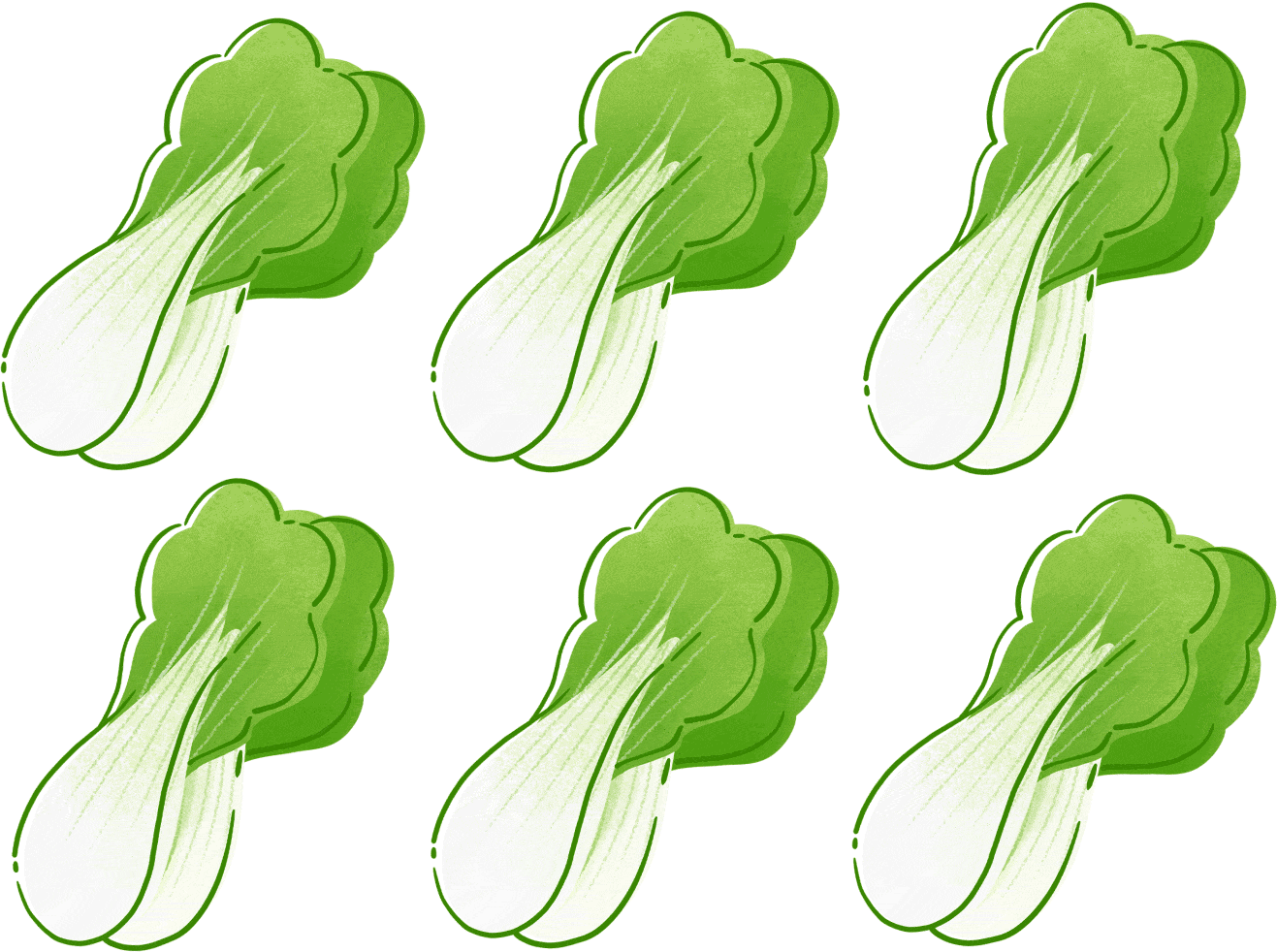
Winter melon: Moistens dryness, promotes intestinal health
Winter melon, once held a very important position in the vegetable family, now known as winter gourd or winter cold vegetable, is still grown in places like Sichuan and Hunan.
Winter melon has a slippery texture, a property that makes it effective in moisturizing dryness and promoting bowel movement. In terms of cooking methods, it is more suitable for blanching or making soup, such as winter melon porridge, where the soft and glutinous texture of the porridge complements the tender and slippery nature of winter melon; or winter melon tofu soup, which is light, delicious, and nutritious. Both of these methods can well preserve the mucilage of winter melon, benefiting intestinal health. However, it is important to note that since winter melon is cold and slippery in nature, people with a weak stomach and prone to diarrhea should not consume it excessively to avoid exacerbating discomfort.
Leek: Warming Yang and Promoting Qi Flow
Leek, also known as Chinese chives, has the characteristic of "one kind that grows long-lasting," and it is given the alias "Yang-activating grass" precisely because of this vibrant vitality.

In traditional Chinese medicine theory, leek has the functions of warming Yang, promoting qi flow, dispelling blood stasis, and detoxifying. It can help alleviate discomfort caused by spleen and stomach cold, while also clearing internal heat and toxicity. Leek is freshest and most nourishing in spring, with particularly outstanding benefits. In the cold winter, leek is suitable for making fillings, such as leek and egg filling or leek and pork filling, wrapped into dumplings or buns, where it can leverage its warming Yang properties, being especially friendly to those with cold bodies and yang deficiency. However, those with yin deficiency and fire excess (such as often accompanied by dry mouth, bad breath, and acne) should not eat too much of it. Additionally, its high content of dietary fiber means it should be consumed in moderation when digestion is poor.
Leek: Relieves gas and broadens the chest
Leek, also known as garlic chives, is a highly popular specialty ingredient in southern regions. It resembles scallions in appearance but has round and plump bulbs that are white as jade, emitting a pungent aroma when peeled.
In traditional Chinese medicine, garlic chives are considered pungent and bitter in flavor, with a warm nature. They are believed to have the effects of warming the center, promoting the flow of yang, relieving gas, and broadening the chest. Their cooking methods are diverse, including being made into sweet and sour pickled garlic chives, pickled as a appetizer, or cut into pieces and stir-fried with hot oil. They can then be paired with meats like pork or beef, or with vegetables like green peppers or beans, not only neutralizing the richness of the meat but also adding a unique freshness to the dish. However, people with qi deficiency should avoid excessive consumption, as it may worsen physical discomfort and it is best not to eat too much at once.
Parsley: Protects the intestines and heart
Huo Tong refers to the tender leaves of common beans like soybeans and black beans. It has a sweet and slightly neutral flavor with a hint of slight coldness, suitable for most body constitutions. Bean leaves are rich in various beneficial nutrients for the human body, such as abundant dietary fiber, which helps maintain intestinal health; a certain amount of folic acid, which helps reduce the risk of cardiovascular diseases; and isoflavones, which can assist in regulating hormone levels.
The best way to eat bean leaves is to stew them in soup or stir-fry them quickly. For example, the classic soybean leaf tofu soup, where the freshness of the bean leaves complements the tenderness of tofu, resulting in a light and refreshing soup that maximally retains nutrients like folic acid and isoflavones, nourishing the body. It is important to note that bean leaves have a relatively rough texture, so they must be thoroughly cooked during preparation to allow the body to better absorb the nutrients.
Scallion: Dispelling Cold and Promoting Yang
Scallion refers to green onions, which have a unique pungent aroma that skillfully balances the flavors of various ingredients, neutralizing unpleasant odors and enhancing freshness, earning them the name "harmony grass."
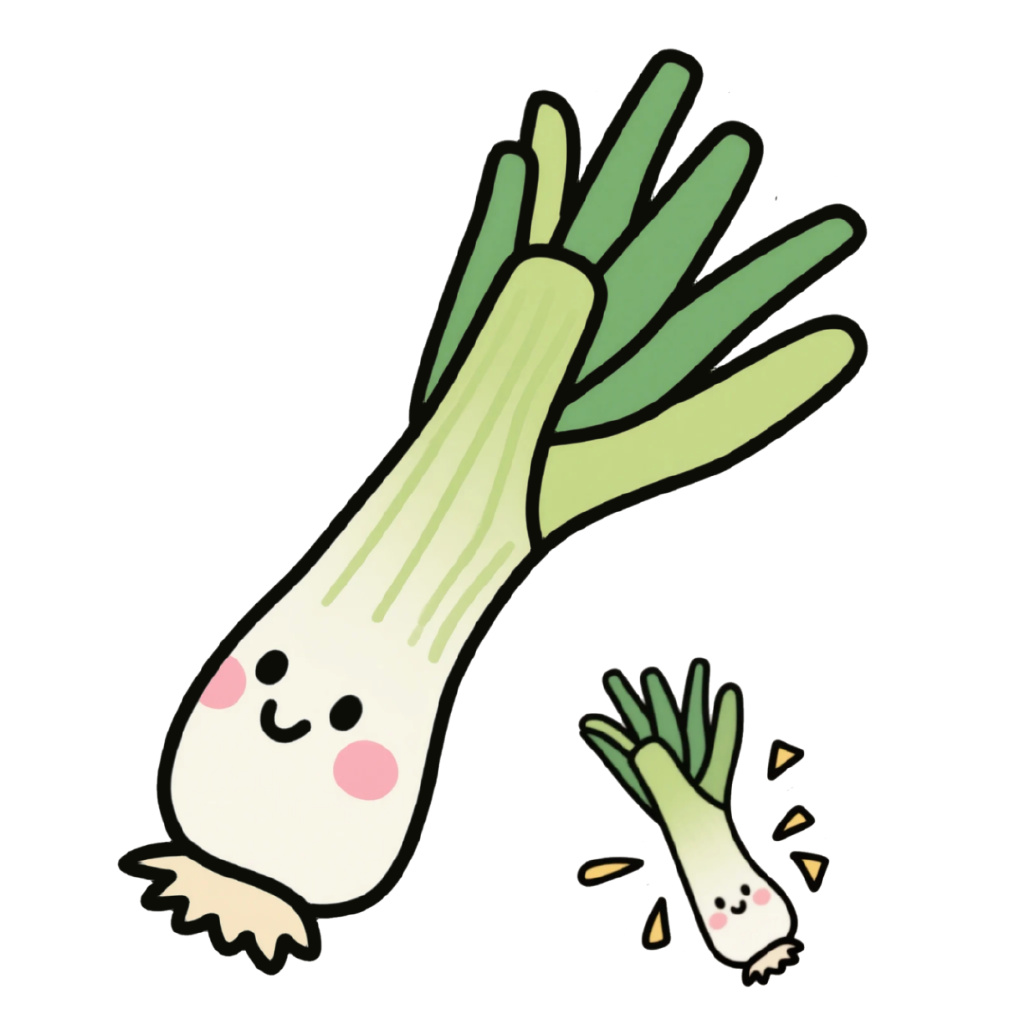
In traditional Chinese medicine theory, garlic has the functions of inducing sweating to dispel external pathogens, dispersing cold to unblock yang, and is beneficial for relieving mild chills, nasal congestion, and other discomforts when consumed in moderation at the initial stage of catching a cold. It can be used in various ways: adding a few segments of garlic to stir-fried eggs or slow-cooked meat instantly infuses the dish with aroma; sprinkling chopped garlic on cold dishes or soups after cooking adds color and fragrance; fresh garlic can also be used to mix with tofu, making it a great choice for aiding digestion and stimulating the appetite. Note that it has a pungent taste, so avoid excessive raw consumption on an empty stomach to prevent irritating the stomach and intestines.
There is no need to 刻意追求 "collecting all five vegetables" in daily diet, but it is important to consume a variety of vegetables throughout the seasons and rotate them to avoid long-term monotonous consumption of a single type of vegetable. This aligns with the traditional wisdom of "supplementing without excess and balanced health," ensuring the body maintains health through diverse nutritional intake.