Leg cold is due to spleen deficiency, waist cold is due to kidney yang deficiency, back cold is due to heart yang disturbance, one box of traditional Chinese medicine, unblocking the body's yang qi
Hello everyone, I am Doctor Wang. Many friends have this kind of trouble: legs cold, waist cold, back cold, feeling chilly even when wearing lots of clothes. Actually, in traditional Chinese medicine, these different parts feeling cold are all intricately linked to the functions of the internal organs in our body. Today, let's talk in detail about what's going on with these cold areas and how to regulate them.

Leg cold - spleen yang deficiency is at play
In traditional Chinese medicine, the spleen governs the limbs. What does this mean? It means that the muscles and joints of our limbs are under the jurisdiction of the spleen. The spleen is like the "logistics director" of the body, responsible for converting the food we eat into qi and blood, and then transporting it to all parts of the body to provide energy to the limbs. If the spleen's yang is insufficient or the spleen's qi is weak, this "logistics work" won't be done well.
If the spleen's yang is insufficient, the body tends to produce cold dampness. Cold dampness is like the icicles under the eaves in winter, cold and heavy. It flows along the meridians to the legs, making them feel heavy and cold, as if they are filled with lead. Moreover, cold dampness can affect the digestive function of the spleen and stomach, so these people often experience bloating and abdominal pain,不敢 eat cold food, and have diarrhea if they do, with loose, watery stools. Hands and feet also tend to feel cold because qi and blood cannot be properly transported to the extremities.
In this situation, we can refer to Fu Zi Li Zhong Wan for regulation. The Fu Zi in Fu Zi Li Zhong Wan is an excellent herb for warming yang, capable of greatly replenishing spleen yang; Partyang and Bai Zhu can strengthen the spleen and invigorate qi, enhancing the spleen and stomach's transportation function; Gan Jiang warms the center and dispels cold, while Gan Cao harmonizes all herbs. When these herbs are combined, it's like kindling a fire for the spleen and stomach, driving away cold and dampness, and warming the legs.
Waist cold - kidney yang deficiency is the root cause
There's a saying in Traditional Chinese Medicine called "Wa is the mansion of the kidneys", which simply means the waist is the home of the kidneys. Whether the kidneys are healthy or not can be seen from the waist. Kidney yang is like a small sun within the body, capable of warming the entire body. If kidney yang is insufficient, it can't provide enough heat to the waist, causing it to feel cold or even have a sense of cold pain, as if an ice block were tied to the waist.
Insufficient kidney yang can also affect a person's mental state, leaving them feeling listless all day and lacking interest in anything, with reduced desires. Moreover, the kidneys govern bones and produce marrow; if kidney yang is deficient, the waist and knees won't receive proper nourishment, leading to weakness and stiffness in the waist and knees, making it difficult to walk.
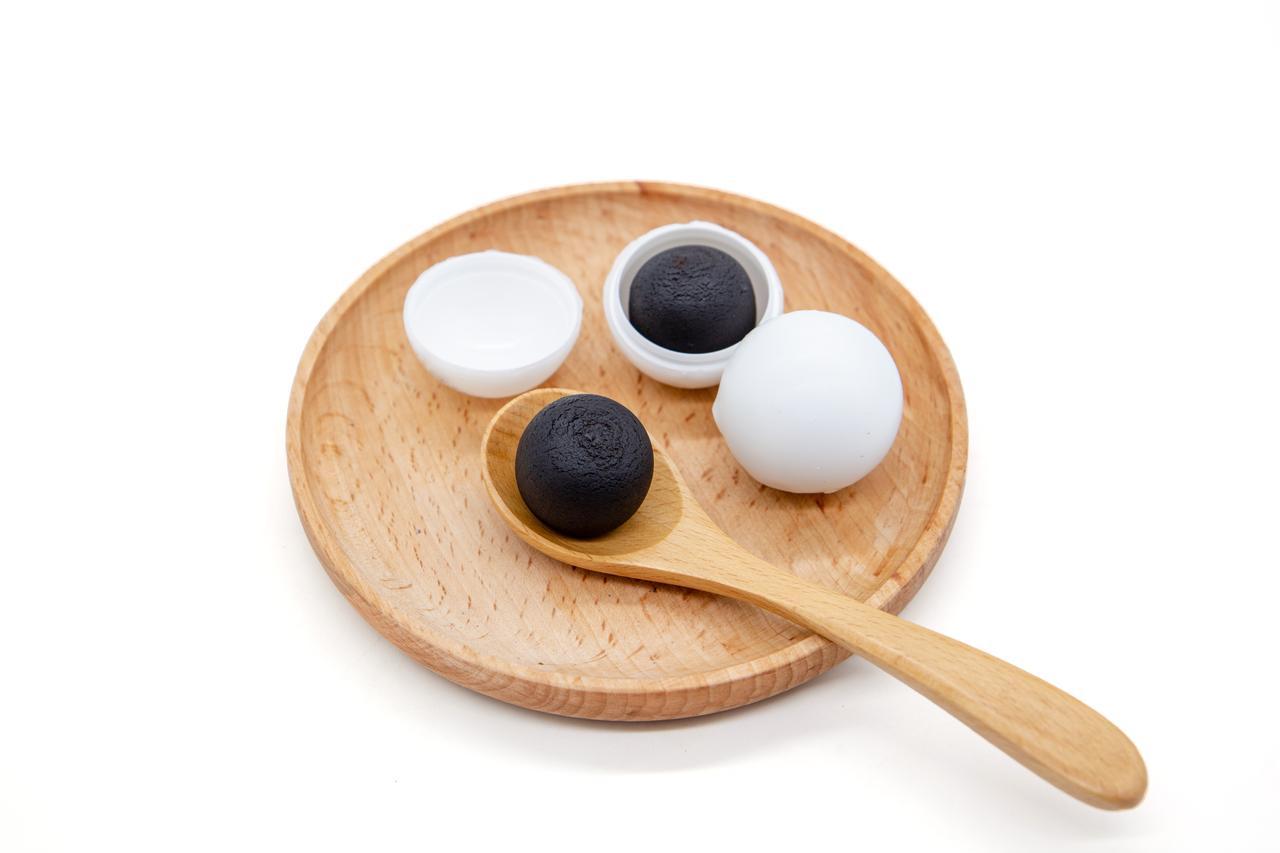
In this case, Gui Fu Di Huang Wan comes into play. Gui Fu Di Huang Wan is based on Li Wei Di Huang Wan, with the addition of Rou Gui and Fu Zi. Li Wei Di Huang Wan can nourish yin and replenish the kidneys, while Rou Gui and Fu Zi are powerful herbs for warming and replenishing kidney yang. When they work together, it's like adding a flame to the kidneys, ensuring sufficient kidney yang, and naturally, the waist won't feel cold.
Back cold - heart yang disturbance is causing trouble
Traditional Chinese Medicine believes that the heart is a yang organ, like the engine of the body, capable of promoting the flow of qi and blood throughout the body, connecting all yang meridians. The back is the main pathway for the circulation of yang qi, like a highway where yang qi flows smoothly to warm the back.
If there is insufficient heart yang, the "engine's" power is not enough, and yang qi cannot effectively push forward to the back, causing the back to feel cold or even leading to cold sweat. Insufficient heart yang can also affect the function of the heart, causing palpitations and anxiety, as if there is a small rabbit hopping in the heart. Moreover, the heart governs blood vessels; with insufficient heart yang, the smooth flow of qi and blood is disrupted, making it easy to develop spots on the face, turn the lips purple, and occasionally cause chest tightness.
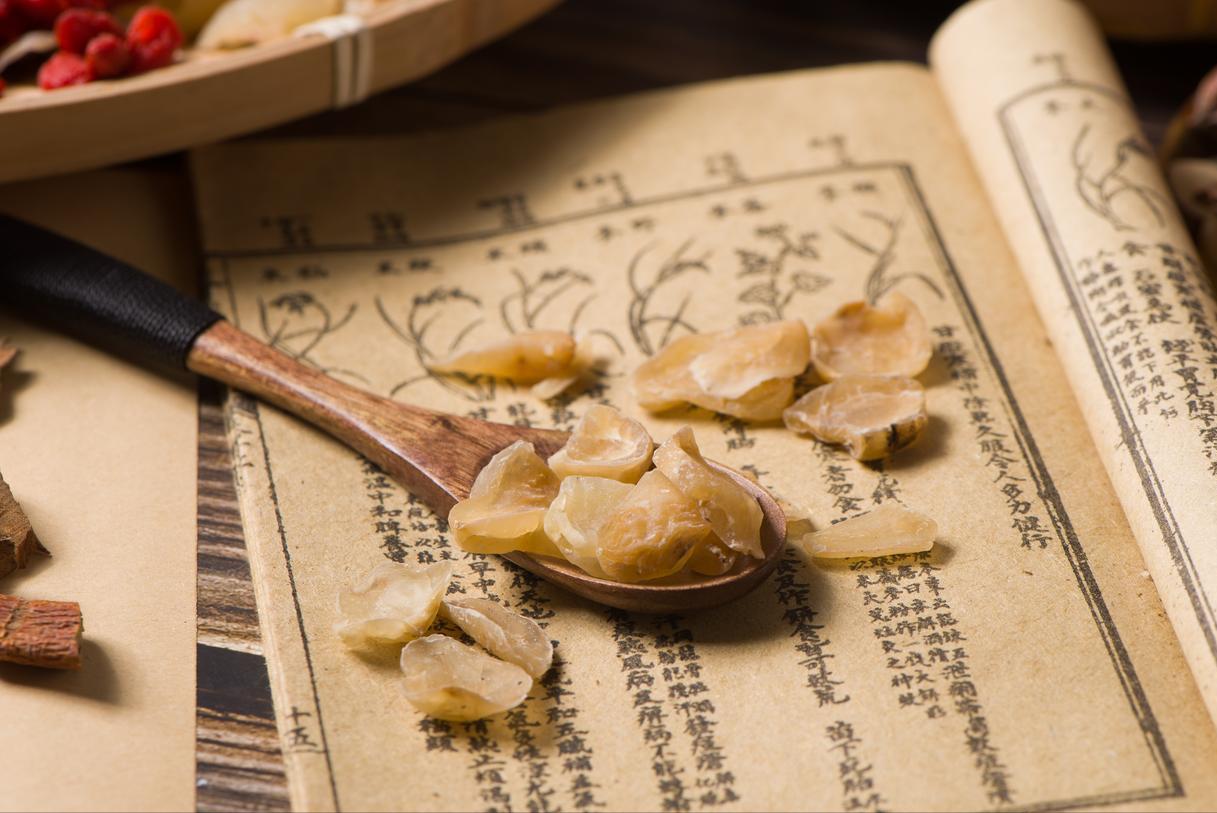
For this situation, Shenfu Qiangxin Wan is a good choice. The ginseng in Shenfu Qiangxin Wan can greatly replenish qi and enhance heart function; aconite warms the yang and dispels cold, able to invigorate heart yang. When these two herbs are combined, it's like adding enough fuel to the heart, allowing heart yang to be sufficient and promoting yang heat to warm the back. Symptoms like a cold back and palpitations will naturally be relieved.
When different parts of the body feel cold, it often hides small secrets of dysfunction in the internal organs. Everyone can refer to these traditional Chinese medicines for regulation based on their symptoms. However, everyone's constitution is different, so it's best to consult a professional TCM practitioner before taking medication to improve your physical condition more safely and effectively.