Blood stasis persists for a long time, the blood-stasis formula can no longer be used, change of thinking, cassia bark and poria tablet open up the whole body's stagnation
Hello everyone, I am Dr. Wang. In Traditional Chinese Medicine, blood stasis is a rather common trouble. Many people, upon discovering they have blood stasis, immediately think of taking the blood-stasis formula. But if the blood stasis has persisted for too long, this blood-stasis formula can no longer be continued, and a different approach is needed, trying the cassia bark and poria tablet, perhaps to open up the stagnation throughout the whole body. Why is this?
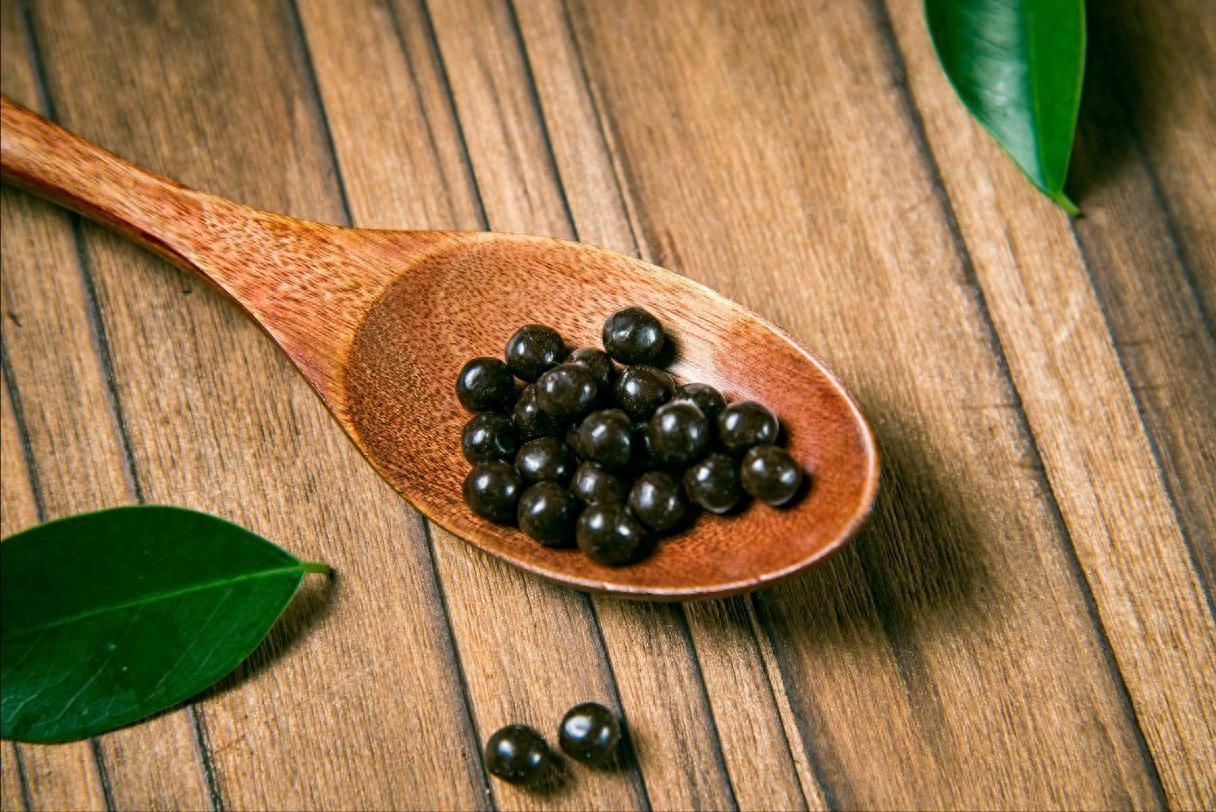
For those with long-term blood stasis, the condition in the body is much more complex than just having blood stasis alone. In Traditional Chinese Medicine, it is said that qi and blood must flow smoothly in the body. However, if blood stasis persists for too long, the smooth flow of qi and blood is disrupted. Moreover, this stagnant blood tends to mix with phlegm-dampness, forming a viscous blockage in the very fine capillaries or hidden deep within the organs. At this point, using purely blood-stasis-dispelling herbs like the blood-stasis formula is not very effective. Why? Because its efficacy is not concentrated enough to precisely reach those blocked areas to resolve the problem.
Why does the Guizhi Fuling Pill work? Let's take a look at the herbs in this formula. Guizhi, this herb, is like adding power to the blood vessels, capable of warming and promoting blood circulation, allowing qi and blood to flow more smoothly. Peach kernel and Moutan are masters at invigorating blood and removing blood stasis, capable of dissolving blood stasis that has formed into clumps in the body. Peony is also not simple; it can nourish blood and regulate the body. What does this mean? It means that when invigorating blood, if normal qi and blood are also damaged, peony can play a protective role, preventing excessive blood invigoration from harming the body's healthy qi. There's also Poria, which can leach dampness and strengthen the spleen. In traditional Chinese medicine theory, the production of phlegm-dampness is closely related to the spleen. If the spleen is not good, phlegm-dampness tends to arise easily. Poria regulates the spleen, reducing the production of phlegm-stasis from the root cause.
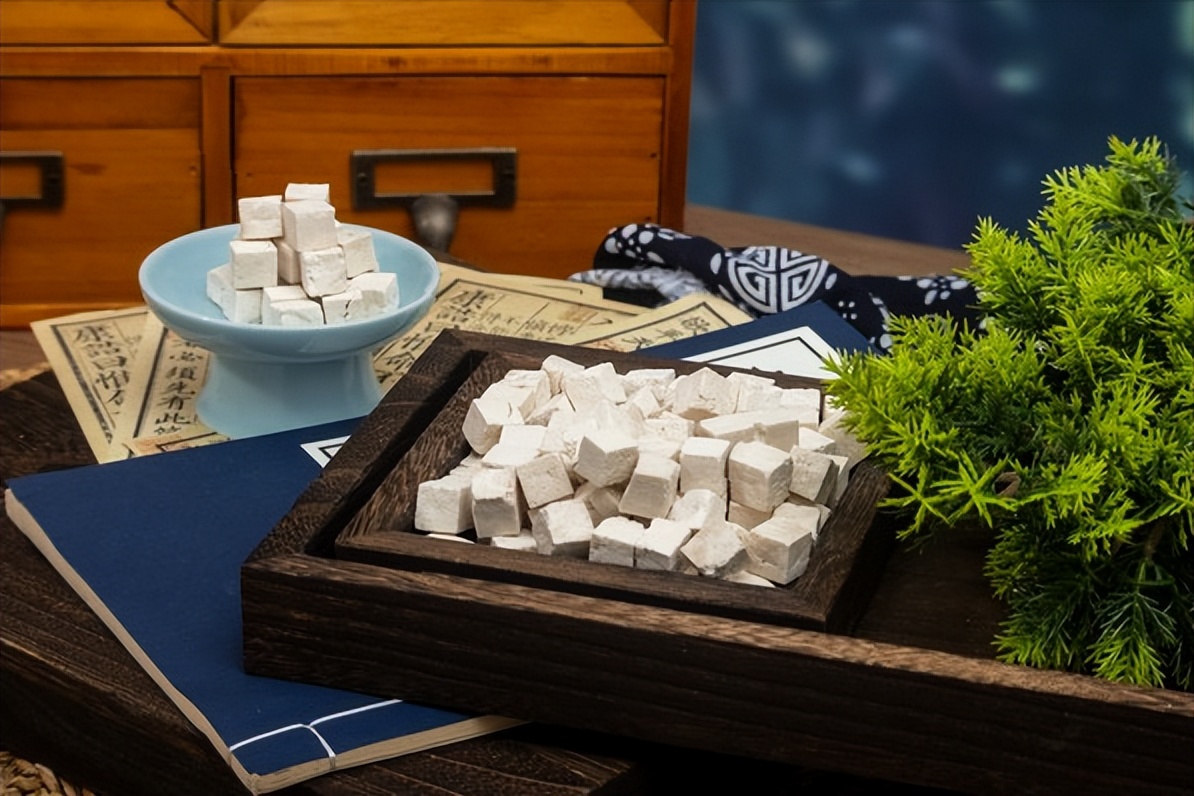
When these herbs work together, the effect is excellent. They can dissolve blood stasis without harming qi and blood, and can also make blocked meridians become unobstructed again. As the blood stasis in the body gradually dissipates, the pathways for qi and blood also open up. At this point, based on individual circumstances, some blood-nourishing or blood-invigorating formulas can be added, making the regulation twice as effective.
Actually, our goal of resolving blood stasis isn't to break all the blood, but to open up the pathways for qi and blood to flow. It's like building roads—only when the roads are open can qi and blood run freely in the body, and blood stasis can truly be resolved. So, if blood stasis has been present for a long time, don't keep focusing on Xuefu Zhuyu Pill; try Guizhi Fuling Pill—perhaps it can bring unexpected changes to the body.