Research: A 10-jin increase in weight increases death risk by 14%, will you still let yourself get fat?
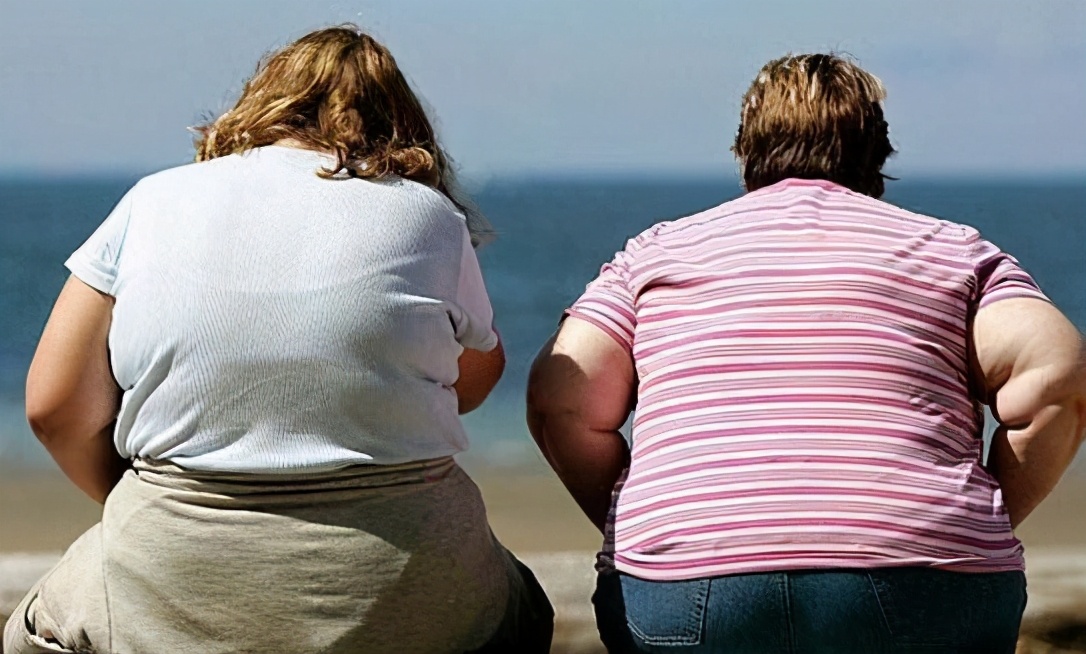
In 2017, The Lancet published a global adult body weight survey report. According to the data, China now has 90 million obese people, making it the country with the most obese population in the world.
Additionally, as the global obese population continues to grow, "getting fatter" has become one of the health issues that cannot be ignored by all of humanity.
Especially as one enters middle age, the metabolic rate slows down. If one has a good appetite but does not like to exercise, it is very likely to cause excessive obesity, leading to an increased risk of developing various chronic diseases, cardiovascular and cerebrovascular diseases, and cancer.
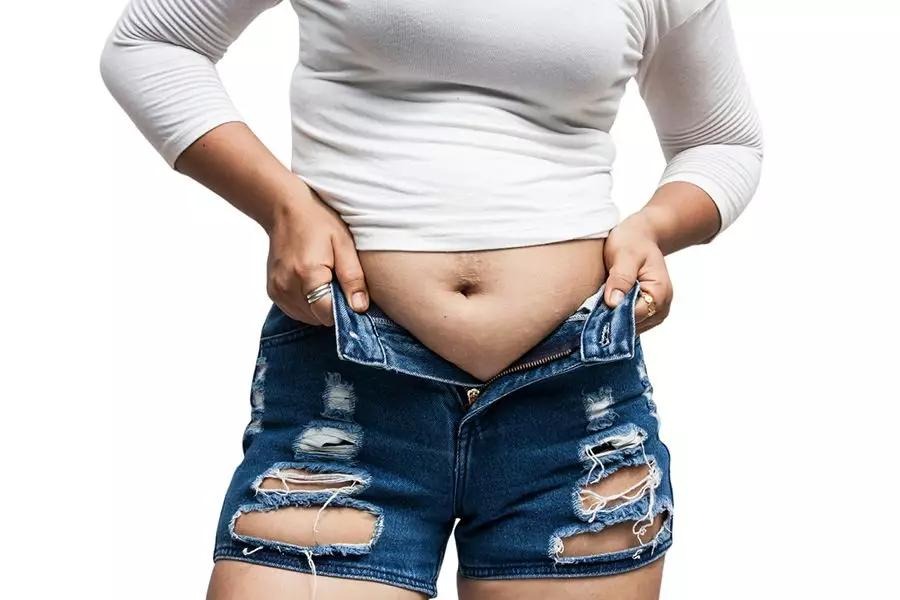
In fact, the impact of obesity on humans is far more than just imagination.
The relationship between weight and death
According to research reports, overweight and obesity have become one of the important factors contributing to the continuous increase in global mortality rates and chronic disease incidence.
In a data analysis based on a study conducted by the Ingram Cancer Center in the UK and the Shanghai Cancer Research Institute involving 48,377 women and 35,989 men in Shanghai, it was found that among adults with a body mass index (BMI) over 23, for every 10 additional jin in weight, the risk of all-cause mortality in later life increased by 9% for men and 14% for women.

In a report by the World Obesity Federation on obesity rates and COVID-19 mortality in some countries, it was discovered that in countries where 50% or more of the population is overweight, the mortality rate from COVID-19 is 10 times higher than in other countries.
Seeing this, you must now understand that obesity is not just a matter of body shape; it can also threaten life.
So, how to lose weight has become an issue that cannot be ignored.

At what weight do you need to lose weight?
Of course, weight loss shouldn't be done recklessly; it's important to assess your own weight to set appropriate weight loss goals.
First, we need to understand a key point: you shouldn't be overweight, but you also shouldn't be too thin.
There is a standard involved in this.
In general, we measure whether a person is at a healthy weight based on Body Mass Index (BMI).
In our country, the BMI for adults should be between 18.5 and 23.9. A BMI less than 18.5 generally indicates underweight, while a BMI greater than 24 indicates overweight.
Each person's BMI is different and needs to be calculated using a formula:

After finding the goal, we need to maintain a healthy weight through weight loss methods.
How to lose weight?
Losing weight is about the balance between diet and exercise.
Especially for middle-aged people, their bodies are less energetic than before. If they continue to consume large amounts of food as they did when they were young, it's easy to become overweight.

So when it comes to "eating," maintain a healthy diet intake, eat more vegetables and fruits, reduce consumption of large fish and meat, supplement healthy fats, and ensure daily energy needs are met.

On the other hand, it's also important to pay attention to increasing your metabolic capacity through exercise to help burn excess body fat.
Exercise not only helps with weight loss but also enhances physical function, cardiopulmonary function, immune system, and reduces the risk of various diseases.
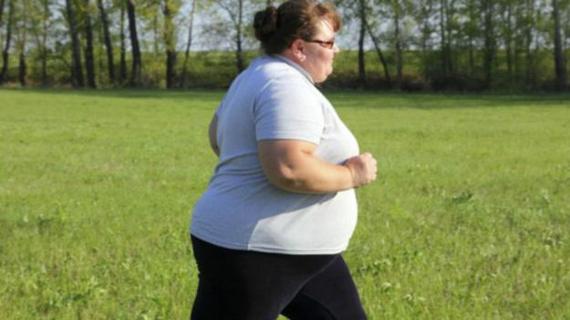
Eating well and staying active are important ways to maintain a healthy weight.
Have you all remembered?