The best nourishing Yin soup, fully replenishing lung Yin, heart Yin, spleen Yin, liver Yin, and kidney Yin
Hello everyone, I am Dr. Wang. Have you ever felt this way: even though you drink a lot of water, your mouth still feels dry, and your throat is always as if something is stuck in it? Your palms and soles are always warm, especially at night, you can't sleep soundly, and you easily sweat profusely. You even get mouth ulcers every few days?
If you match several of the above symptoms, it's likely not just a simple "excess heat," but rather what traditional Chinese medicine often refers to as "Yin deficiency."
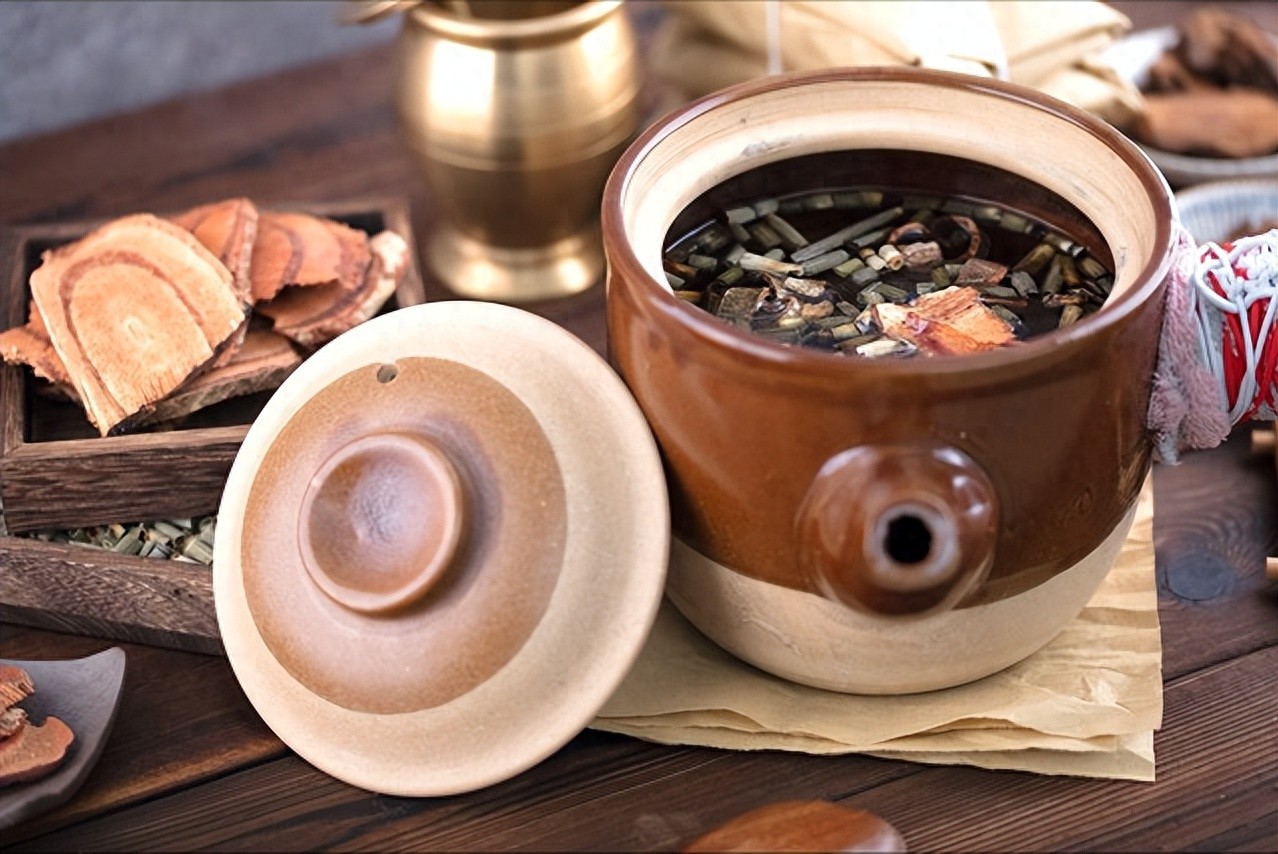
What is yin deficiency? Simply put, it means there isn't enough "water" in the body.
Our body is like a piece of land, and yin fluids are the water in the land. If the water runs low, the land will dry out; similarly, if there isn't enough "water" in the body, the body's fluids will be insufficient, leading to dryness in the skin, mouth, nose, throat, and pharynx. More importantly, if there isn't enough water, it can't suppress the body's bit of yang fire. This unchecked "deficiency fire" will wander around, causing symptoms like heat in the palms and soles of the feet, restlessness, insomnia, and night sweats.
So what should we do? Simply drinking water isn't very effective because water can't directly transform into the body's needed "yin fluids." Today, let's talk about a formula from the ancient Chinese medical text *Shi Shi Mi Lu*—the Yin-Tonifying Decoction. It's like a professional gardener, knowing exactly how to "water and fertilize" our five zang organs and six fu organs.
This formula is very clever, dividing ten herbs into four groups, each with its own function, working together seamlessly.

First group: Main force, providing "precise hydration" to the five organs (He zi, Sha shen, Mai dong, Tian dong)
These four are the absolute main force, their task is to deliver "water" to the most needed places.
He zi, mainly responsible for the liver and kidneys, problems like lower back and leg weakness, dry hair, these kidney yin deficiency issues, it can help you as a last resort.
Sha shen, focuses on taking care of the lungs and stomach, especially good at handling dry mouth, dry cough with no phlegm.
Ophiopogon and Asparagus are a great pair, with one leaning more towards the heart and lungs, and the other leaning more towards the lungs and kidneys. Together, they solve the dryness issues of the upper body.
With these four herbs working together, it's like a comprehensive irrigation system, from top to bottom, hydrating all the five organs, naturally alleviating those dryness and tenderness problems.
Second group: The cooling blood team, to "cool down" the body (Scrophularia and Rehmannia)
Water has been replenished, but the blood that was previously "roasted" to a boil by deficiency fire hasn't cooled down yet. In traditional Chinese medicine, blood is also a part of body fluids.
Scrophularia and Rehmannia are the perfect combination for this task. They can penetrate deep into the blood, clearing out the dry heat within, effectively cooling down the body's "circulation water system." When the blood cools down and runs smoothly, it can better nourish the entire body, gradually alleviating the symptoms of five-palm heat and insomnia.
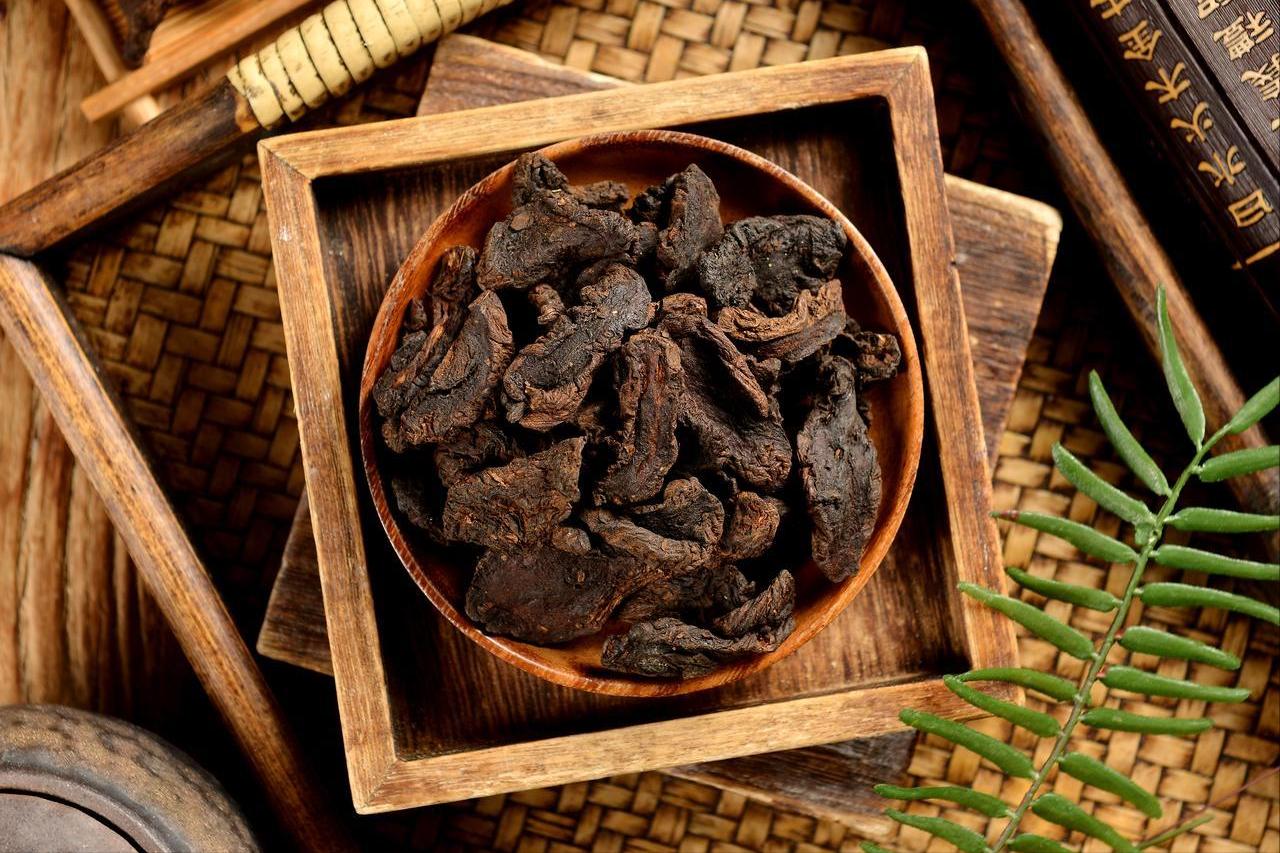
Group 3: Firefighting forces, extinguishing residual "deficiency fire" (Moutan bark, Phellodendron bark)
Hydration and cooling have been addressed, but some "heat sources" may still be burning quietly in the corners.
Peony root, specifically targets "heart fire" and "liver fire." If you're irritable or restless due to yin deficiency, it can help clear away the heat.
Dong Quai is even more powerful; it can penetrate deep into the kidneys to extract the deeply hidden "hidden fire," while also taking care of the accumulated fire in the lungs.
These two herbs are like professional firefighters, targeting specific areas to extinguish the flames, preventing a spark from turning into a wildfire, and preventing the yin fluids from being consumed again.
Group Four: The Logistics Corps, Providing Support (Bai Shao, Chen Pi)
A perfect formula is always incomplete without thorough "logistics support."
Bai Shao has two functions: first, it helps Shu Di and Sheng Di better nourish blood and the liver, doubling the effect of replenishing yin; second, it can soften the liver and alleviate tension, soothing your anxious emotions.
The role of dried tangerine peel is crucial. Among these nourishing Yin herbs, most are quite "greasy," and using too much can make the spleen and stomach feel sluggish and reluctant to work. When dried tangerine peel is added, it can regulate qi and invigorate the spleen, allowing it to become more active. This not only enhances the absorption of the medicine's efficacy but also prevents harm from overly greasy herbs.

In summary:
You see, this Yin-tonifying soup first hydrates (the main force), then cools down (the blood-cooling force), followed by extinguishing the fire (the fire-fighting force), and finally has logistical support (Bai Shao, Chen Pi). The logic is very clear. It doesn't just tackle everything at once; instead, it progresses step by step, addressing the root cause of Yin deficiency and fire excess.
Last but not least, it must be reminded to everyone: Traditional Chinese Medicine emphasizes syndrome differentiation and treatment based on individual constitution, as the focus of yin deficiency varies from person to person. Although this formula is exquisite, it also needs to be adjusted according to specific conditions. If you have similar concerns, it is best to consult a professional TCM practitioner and use it under the guidance of a doctor, ensuring safety and effectiveness. Never self-prescribe medication based on this formula!