A little prescription you can make yourself: three herbs boiled into a drink to tonify the liver, kidneys, and spleen, nourishing jing, qi, and blood together
In the fast pace of modern life, many people often feel physically fatigued, with sore and weak lower back and legs, dizziness and blurred vision, and even some functional decline. From the holistic view of traditional Chinese medicine, these seemingly unrelated symptoms are often interconnected, rooted in dysfunction of the liver, spleen, and kidneys, leading to deficiency or poor circulation of the body's jing, qi, and blood. Today I’ll share a small formula composed of Cuscuta (tusizi), Salvia (danshen), and Atractylodes (baizhu). The prescription is simple but focused, suitable for routine supportive regulation to help restore your vital energy from the root.

The relationship between the liver, spleen, kidneys and jing, qi, and blood
In traditional Chinese medicine theory, the liver, spleen, and kidneys play central roles in maintaining human life activities and are closely related to the production, movement, and storage of essence (jing), qi, and blood.
The liver governs dispersion and also stores the blood. When liver blood is sufficient, vision is clear, tendons are flexible, and emotions flow smoothly; when liver blood is deficient, there may be dizziness, blurred vision, and limb numbness. Constrained liver qi can lead to depressed mood and fullness or distention in the chest and hypochondrium, further affecting the movement of qi and blood throughout the body.
The spleen is the postnatal root and the source for the transformation of qi and blood. The spleen governs transportation and transformation, converting food into qi and blood and distributing them throughout the body. If spleen qi is weak, the production of qi and blood is insufficient, and one may experience fatigue, poor appetite, and a sallow complexion; over time, the visceral organs lose nourishment.
The kidney is the prenatal root and stores essence, encompassing both primary yin and yang. Deficiency of kidney essence can directly cause weakness and soreness of the lower back and knees, memory decline, tinnitus, hair loss, and decreased reproductive function. Kidney essence also requires nourishment from liver blood and support from spleen (earth); the three organs mutually generate and assist one another, and damage to one harms them all.
Three herbs cleverly combined, working together to harmonize
This prescription uses only three herbs—Cuscuta (tusizi), Salvia miltiorrhiza (danshen), and Atractylodes macrocephala (baizhu)—but the pairing is precise, addressing both regulation and supplementation:
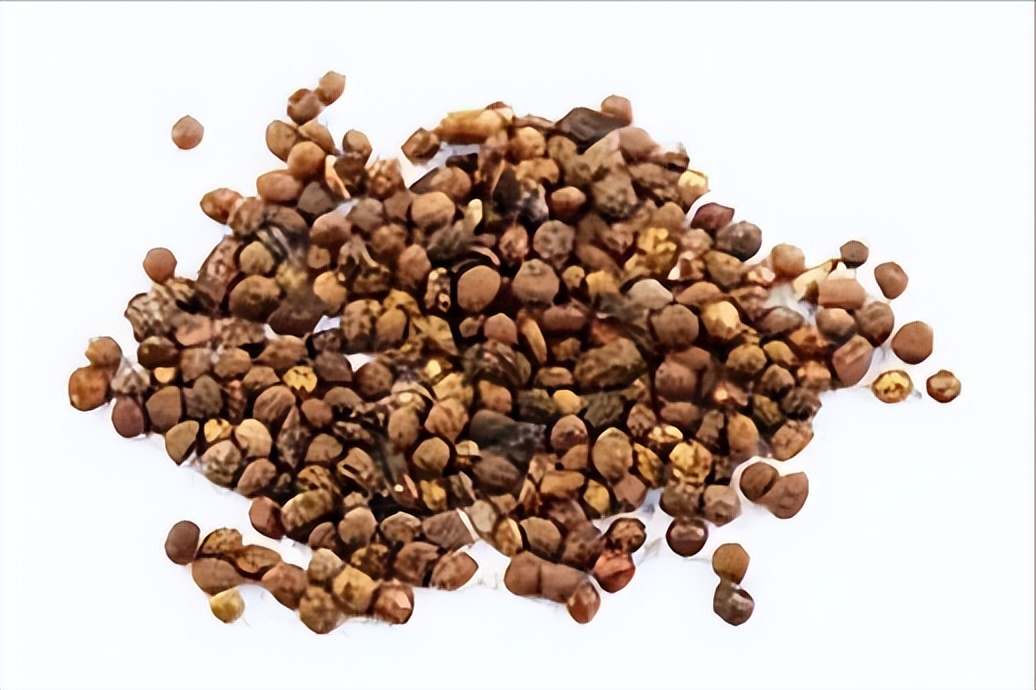
Cuscuta (tusizi) (10–15 g)
Neutral in nature, with pungent and sweet flavors, it enters the liver and kidney channels. It tonifies the liver and kidneys, secures essence and controls urine, improves vision, and stops diarrhea. Its nature is gentle, neither drying nor greasy; it can tonify kidney yang and benefit kidney yin, and also nourish liver blood. It is an effective mild tonic for the liver and kidneys, especially suitable for weakness of the liver and kidneys manifesting as soreness and weakness of the lower back and knees, tinnitus, and dizziness.
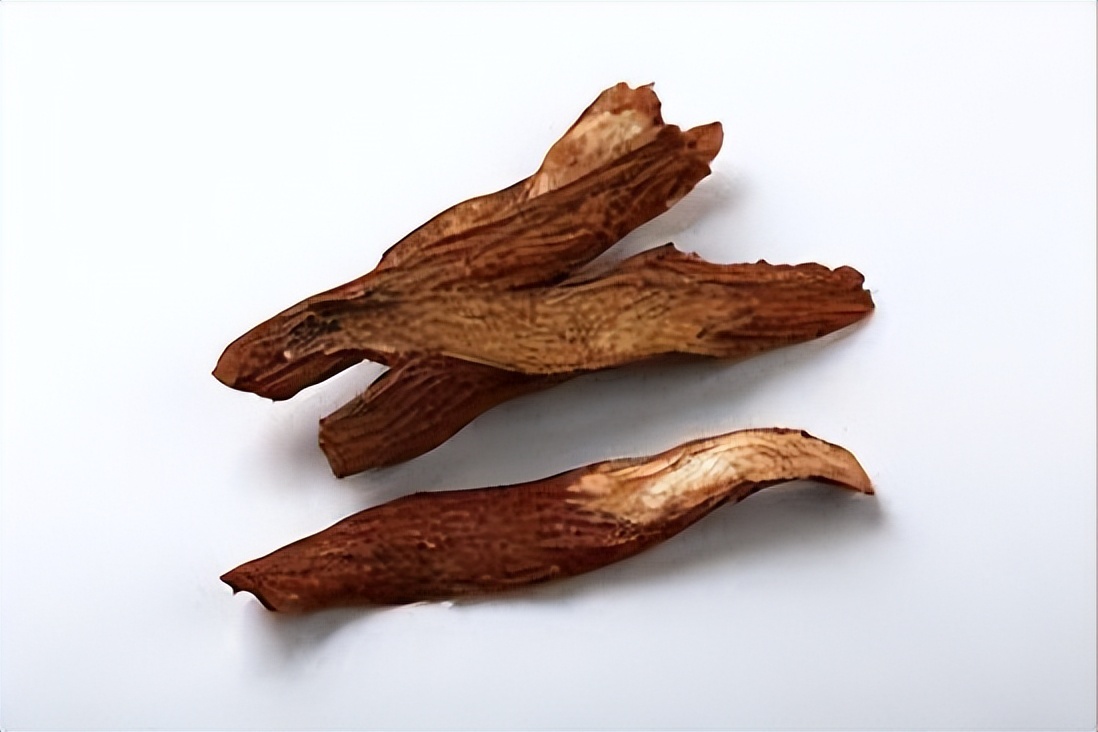
Danshen (6–9 g)
Bitter in taste, slightly cold in nature, enters the Heart and Liver channels. It has long been praised as "a single Danshen decoction equals the effects of Siwu Tang," highlighting its notable blood-nourishing and blood-activating effects. It can open the blood vessels, disperse stasis and masses, clear the Heart and relieve vexation, improve local blood circulation, and alleviate various symptoms caused by blood deficiency or blood stasis. Its slightly cold property can also prevent the warming tonics Duzis and Baizhu from being excessive.
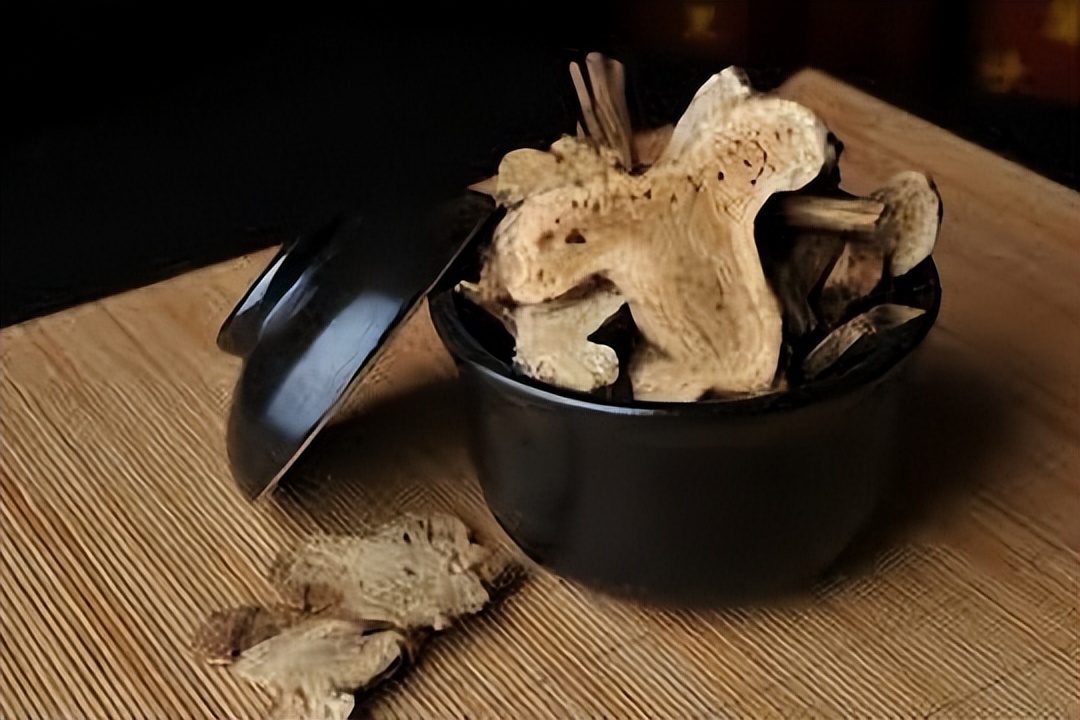
Baizhu (9–12 g)
Acrid and bitter, warm in nature, enters the Spleen and Stomach channels. It is the foremost herb for strengthening the Spleen and augmenting Qi, able to reinforce the Spleen and Stomach's transportive and transformative functions, promoting the absorption and transformation of the essence of food and drink, and is key to replenishing Qi and blood from the source. When the Spleen is strong, Qi and blood are abundant; nurturing the postnatal (acquired) supports the prenatal (congenital), and it can also indirectly benefit the Kidneys and replenish Essence.
With the three herbs used together, Bai Zhu starts by addressing "qi," strengthening the spleen and benefiting qi; Danshen regulates the "blood" aspect, promoting and nourishing blood; Tusizi replenishes the "essence" and marrow, tonifying both liver and kidney. The formula as a whole achieves concurrent tonification of essence, qi, and blood, harmonizing the liver, spleen, and kidneys. Its nature is mild, making it suitable for long-term, gradual conditioning.
Applicable people and typical manifestations
If you often experience several of the following symptoms, this formula may be suitable as an auxiliary remedy:
Frequent fatigue and lack of strength, shortness of breath when speaking, drowsiness after meals
Soreness and weakness in the lower back and knees, limb weakness, or accompanied by tinnitus
Dizziness and blurred vision, fuzzy eyesight, sallow complexion
Poor appetite, indigestion, loose stools
Low mood, with a vague discomfort in the chest and hypochondriac region
Declining function, lack of vitality
Real case reference
I once treated a 42-year-old male patient who, due to long-term heavy work and frequent social engagements, had been in a subhealthy state for the past year: extreme fatigue, pronounced low back soreness, dizziness and tinnitus, and a noticeably reduced quality of marital relations. His tongue was pale with teeth marks on the edges, coating thin and white, and his pulse was deep and thin. The pattern was identified as spleen deficiency with insufficient qi and blood, and depletion of liver and kidney essence and blood. On top of a Chinese herbal compound treatment, I recommended that he drink a decoction of Cuscuta (Tusizi), Salvia miltiorrhiza (Danshen), and Atractylodes macrocephala (Baizhu) as a tea in daily life.
After continuously drinking it for a month, he returned for a follow-up and reported that the heaviness and fatigue had lessened, his appetite had improved, and his low back soreness and tinnitus had also eased. Three months later he reported that his overall condition had stabilized and his energy was much greater than before. It should be noted that such medicinal teas are mild and slow-acting, suitable for daily conditioning and cannot replace formal medical treatment.
Conclusion
The little formula of Tusizi (Cuscuta), Danshen, and Baizhu, though simply composed, embodies the holistic wisdom of Chinese medicine that harmonizes liver, spleen, and kidney while jointly nourishing qi, blood, and jing. It is especially suitable for people with long-term fatigue and gradual deficiency as a daily regimen. But remember, everyone’s constitution differs; if discomfort persists or worsens, you should see a doctor promptly and undergo pattern differentiation and treatment under a professional physician’s guidance to achieve the best therapeutic effect.