Sini Decoction rescues yang, Sini Powder unblocks yang, and Danggui Sini Decoction both unblocks and nourishes yang—remember these three timeless formulas.
As autumn and winter arrive, many people’s most immediate perception is that their hands and feet start feeling cold again. Some can relieve it by drinking warm water or wearing an extra layer, but for others, no matter how much they bundle up, their hands and feet struggle to warm up, remaining uncomfortably cold even in air-conditioned rooms during summer. From the perspective of Traditional Chinese Medicine, cold extremities are merely an external symptom, possibly reflecting various underlying pathological mechanisms.
In the *Treatise on Cold Damage Disorders*, the medical sage Zhang Zhongjing left behind several classical formulas containing the name “Sini” (Four Counterflows), among which the most representative are Sini Decoction, Sini Powder, and Danggui Sini Decoction. All of them can be used to treat cold limbs, but their causative factors, pathological mechanisms, composition rationale, and suitable populations are entirely different. When used correctly, they often deliver swift results; when chosen incorrectly, however, they may backfire. Let’s explore them together.
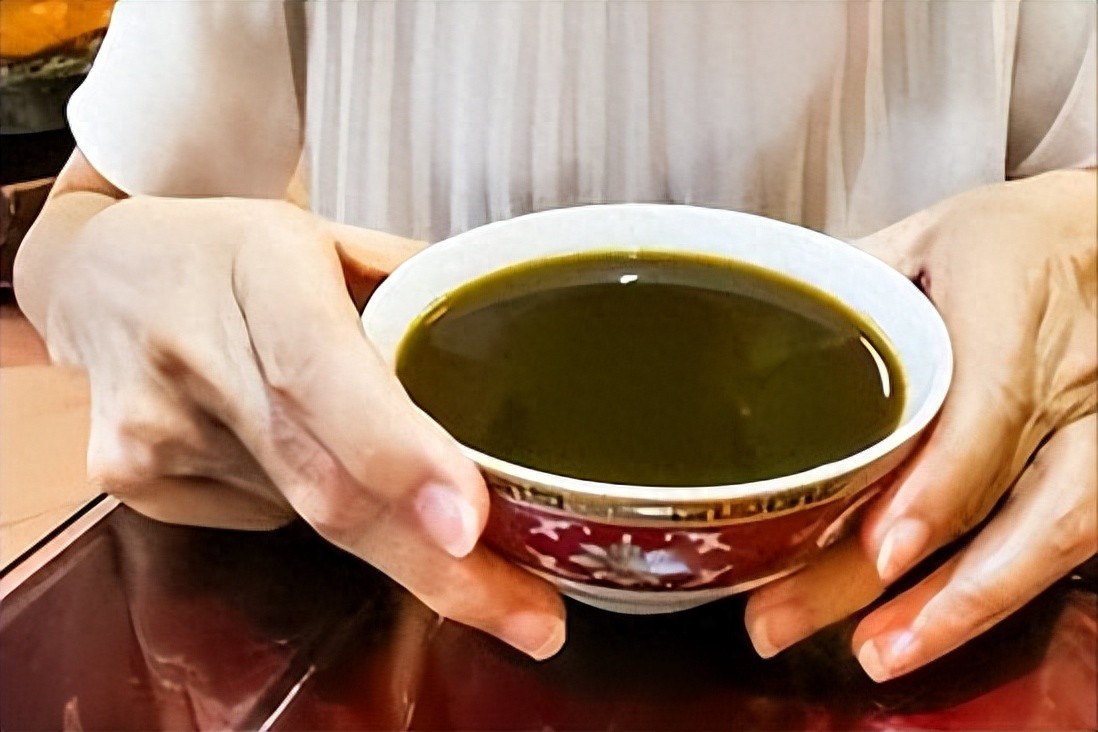
I. Sini Decoction: Restoring Yang to Rescue from Collapse, Turning the Tide
Sini Decoction is a classic formula in traditional Chinese medicine for emergency care, targeting critical conditions of yang qi depletion and internal exuberance of yin cold. Such patients often exhibit extreme yang qi deficiency, unable to warm the limbs and body, commonly seen after severe illnesses or in cases of extreme constitutional weakness.
The typical manifestations can be summarized as "cold, cool, quiet, and weak": for instance, severe aversion to cold, icy limbs extending beyond elbows and knees, listlessness, drowsiness and fatigue, possibly accompanied by vomiting, watery diarrhea, pale complexion, persistent cold sweat, and faint pulse on the verge of disappearance.
In terms of composition, this formula contains only three ingredients: aconite (Fuzi), dried ginger (Ganjiang), and licorice (Gancao), yet it delivers potent and powerful effects. Aconite, extremely pungent and hot, warms kidney yang and invigorates the life-gate fire, making it the foremost herb for restoring yang to rescue collapse; dried ginger warms the middle and dissipates cold, assisting aconite in restoring yang and strengthening the center; licorice moderates aconite's toxicity and harmonizes the herbal properties. Used together, they rapidly warm and unblock yang qi throughout the body, dispelling yin cold to restore pulse and reverse collapse, thus earning its reputation as "the primary formula for restoring yang to rescue from collapse."
2. Sini Powder: Dispersing Stagnation to Unblock Yang, Resolving Constriction for Free Flow
Some people experience cold hands and feet not due to genuine "yang qi deficiency," but rather "yang qi obstruction." This group is primarily composed of young and middle-aged individuals. Due to prolonged emotional stress, tension, and anxiety, liver qi stagnation and qi mechanism blockage occur, trapping yang qi internally and preventing its circulation to the extremities.
Although their hands are cold, their bodies show no aversion to cold—they may even feel heat-sensitive. They often experience distension and oppression in the chest and hypochondriac regions, frequent sighing, and worsening symptoms during emotional fluctuations. Female patients may additionally present with breast distension/pain and menstrual irregularities.
Sini Powder consists of four herbs: Bupleurum (Chaihu), Peony Root (Shaoyao), Bitter Orange (Zhishi), and Licorice (Gancao). Bupleurum soothes liver stagnation and elevates yang qi; Bitter Orange moves qi to break through stagnation and smooth qi circulation; Peony nourishes blood to soften the liver and prevents excessive dispersion; Licorice harmonizes all components. The formula neither induces sweating nor employs warm-drying methods, focusing instead on regulating qi to resolve stagnation. Once qi mechanisms flow freely, trapped yang becomes liberated, naturally warming the limbs.
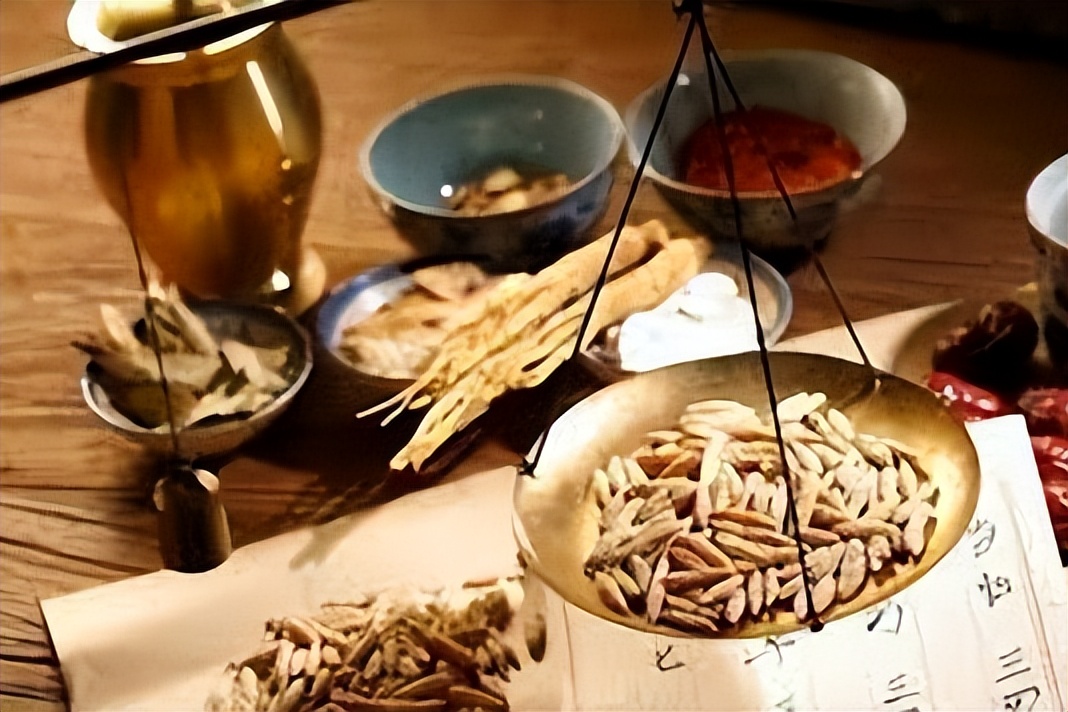
Three: Danggui Sini Decoction: Nourishes Blood, Dispels Cold, and Warms the Meridians
The third common type is "blood deficiency with cold congealing," especially prevalent among women, the physically weak, or those with chronic illnesses. These individuals not only have weak yang energy but also insufficient blood. When cold pathogens invade the meridians, it leads to poor circulation of qi and blood, failing to warm and nourish the limbs.
Their cold hands and feet are often pale, icy, or even numb. They are prone to cold joint pain, which worsens in cold weather, and may also exhibit signs of blood deficiency, such as a dull complexion, dizziness, palpitations, scanty and dark menstrual flow, and pale lips and nails.
This formula is derived from Guizhi Decoction with modifications and includes angelica root, cinnamon twig, peony root, asarum herb, ricepaper plant pith, licorice, and jujube. Among these, angelica root nourishes and activates blood, cinnamon twig warms the meridians and unblocks yang, asarum herb dispels cold and relieves pain, ricepaper plant pith promotes blood flow, while peony root, licorice, and jujube enrich yin and nourish blood. The entire formula addresses blood deficiency, dispels cold pathogens, and unblocks the meridians, serving as a classic prescription for warming the meridians, dispersing cold, nourishing blood, and promoting circulation.
Real-life Case Illustration
I once treated a 32-year-old female patient who reported having cold hands and feet for many years, particularly severe in autumn and winter. She often struggled to sleep at night due to cold-induced pain, and her menstrual cycles were delayed with scanty, dark-colored flow accompanied by blood clots. She had previously taken warming and tonifying herbs on her own, which instead caused dry mouth and insomnia. Examination revealed a pale tongue with thin coating and a thin, hesitant, weak pulse. The diagnosis indicated blood deficiency with cold stagnation and meridian obstruction, not merely yang deficiency. She was advised to discontinue the warming and drying tonics and was prescribed the original formula of Danggui Sini Decoction. After two weeks of medication, her hands and feet gradually warmed, and she could sleep peacefully at night. After one month, her menstrual condition also showed significant improvement.
Conclusion
In summary, cold hands and feet are not solely due to "yang deficiency" but can also result from "yang stagnation" or "blood deficiency with cold stagnation." *Sini Tang* rescues yang, *Sini San* unblocks yang, and *Danggui Sini Tang* both unblocks yang and nourishes blood—each has its specific focus. Traditional Chinese medicine emphasizes syndrome differentiation and treatment. Only by accurately identifying one’s constitution and selecting the appropriate formula can symptoms be fundamentally improved, restoring warmth and balance to the body.