The hardest fire to extinguish is deficient fire; a bowl of Fire-Directing Decoction replenishes yin fluids to eliminate deficient fire
Many people habitually take heat-clearing and fire-purging herbs when experiencing "heatiness" symptoms like mouth ulcers, dry sore throat, insomnia, and irritability. But sometimes the effects are poor, and symptoms quickly recur after stopping medication. In such cases, it's likely not excess fire but "deficient fire" causing trouble.
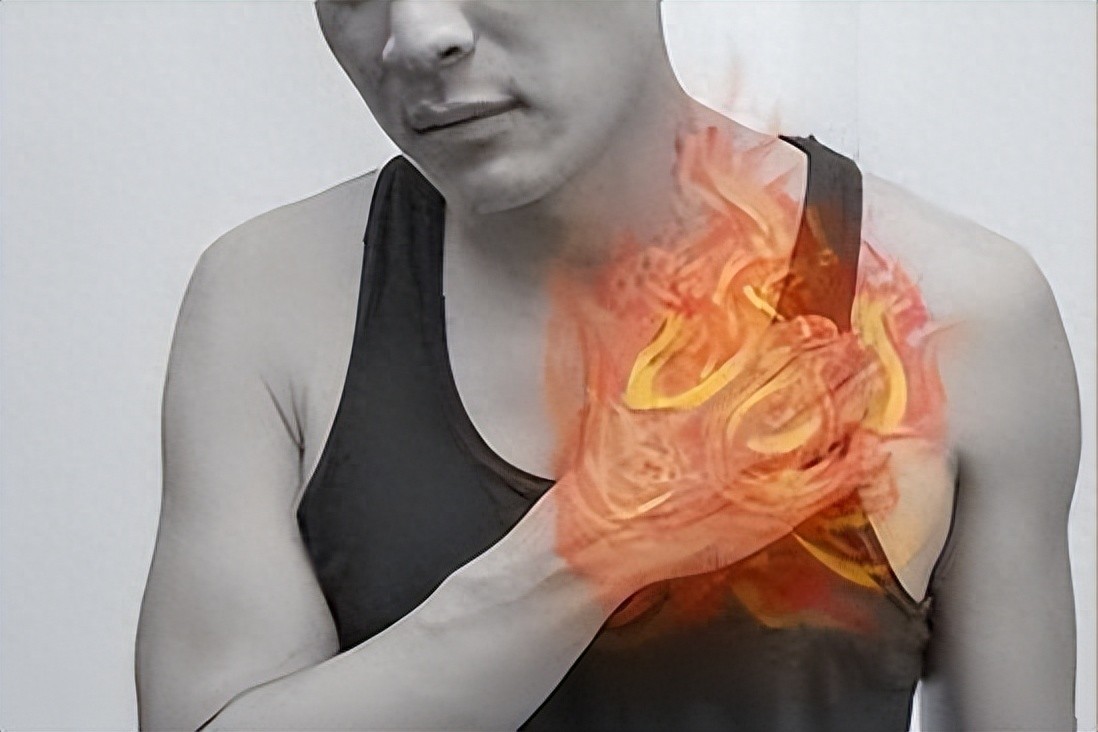
What is deficient fire?
In traditional Chinese medicine, deficiency fire is not an actual excess of fire energy in the body, but rather caused by insufficient yin fluids that leads to relative hyperactivity of yang energy, resulting in symptoms of deficient heat disturbing the upper body. Yin fluids serve as the material foundation in the body that provides moisture and calmness. Once excessively depleted (due to factors like chronic sleep deprivation, overthinking, or prolonged illness), yin becomes insufficient to control yang, thereby giving rise to deficiency fire.
This type of "heatiness" typically exhibits the following characteristics:
Recurrent mouth ulcers, but with mild redness, swelling, or pain;
Heat sensation in palms and soles, accompanied by unexplained irritability (five-center heat);
Night sweats, or sweating after falling asleep;
Dry mouth and throat, desire to drink cold water but in small amounts;
Prone to palpitations and insomnia, especially feeling more energetic at night.
If cold and cooling herbs are used indiscriminately to clear heat, symptoms may be temporarily suppressed, but this will further damage spleen and stomach yang qi, leading to even less generation of yin fluids and creating a vicious cycle where the more heat is cleared, the more deficient one becomes.
The Key to Regulating Deficient Fire: Nourishing Yin as the Foundation, Bringing Fire Back to Its Source
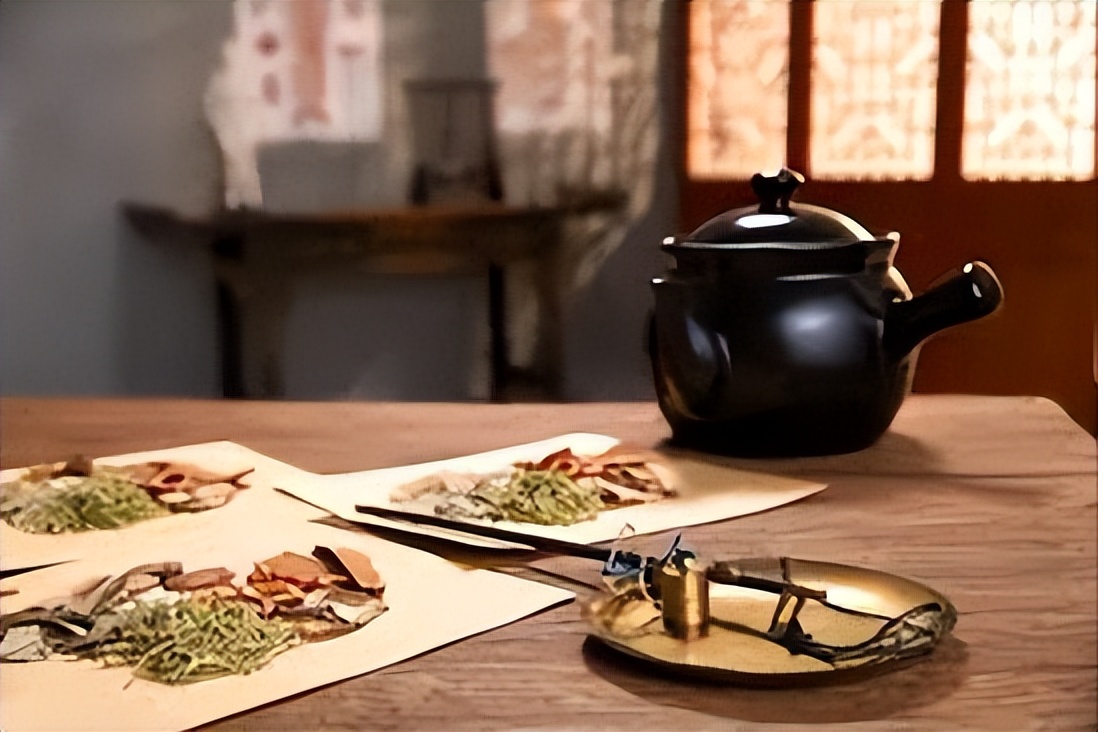
For deficient fire, the correct approach is to nourish yin fluids and guide the fire downward to restore the balance between yin and yang. The renowned Qing Dynasty formula "Yin Huo Tang" (Fire-Guiding Decoction) exemplifies this principle with its classic composition as follows:
Shu Di Huang (Rehmannia glutinosa): Serving as the chief herb, used in large doses of 30g or more, its primary function is to greatly tonify kidney yin, replenish essence and marrow, thereby supplementing the body's deficient yin fluid foundation – fundamentally "adding water to control fire."
Ba Ji Tian (Morinda officinalis): Warms and tonifies kidney yang. The inclusion of a small amount amid heavy yin-nourishing herbs demonstrates the wisdom of "seeking yin within yang." Its nature is warming but not drying, able to promote yang qi transformation and guide floating deficient fire back to the kidneys.
Ophiopogon japonicus (Maidong) and Asparagus cochinchinensis (Tiandong): Nourish the yin of the lungs and stomach, moisturize the upper energizer, and work together with Rehmanniae Radix Praeparata (Shudi) to replenish the body's yin fluids, alleviating dryness symptoms like dry mouth and deficiency-related cough.
Poria (Fuling): Strengthens the spleen and promotes diuresis, preventing overly nourishing herbs from obstructing spleen and stomach functions, while also guiding deficient heat to exit through urination.
Schisandra chinensis (Wuwei zi): Sour and astringent, it gathers qi and draws floating deficient fire downward, helping it return to its proper place, while also improving night sweats and insomnia.
The core of this formula lies in nourishing yin and subduing yang, causing deficient fire to descend and restoring the balanced state of "water and fire in harmony." As a result, deficient fire naturally dissipates, and issues like irritability, insomnia, and mouth ulcers can also be alleviated.
Real-life case:
A 38-year-old female patient had been working late nights for a long time. Over the past six months, she suffered from recurrent oral ulcers, accompanied by noticeable dry mouth, night sweats with feverish sensations, difficulty falling asleep, and excessive dreaming. She had taken Huanglian Shangqing Wan (a Chinese herbal remedy) on her own, which provided slight symptom relief during use, but the condition recurred after discontinuation, along with a loss of appetite. During the consultation, her tongue appeared red with scant coating, and her pulse was thin and rapid. According to TCM diagnosis, this was attributed to liver and kidney yin deficiency with rising deficient fire. She was prescribed a modified version of the "Yin Huo Tang" decoction (with Rehmanniae Radix Praeparata as the primary herb, supplemented by Morinda Officinalis, Ophiopogon Japonicus, Poria, etc.). After one week of medication, her sleep and dry mouth significantly improved, with no new ulcers appearing. After two additional weeks of treatment, the night sweats and deficient heat symptoms nearly disappeared, and her overall condition stabilized.
Important note:
Accurate diagnosis is key: The Fire-Directing Decoction is suitable for syndromes involving genuine yin deficiency with floating deficient fire (classic manifestations include a red tongue with scant coating, thready rapid pulse, cold feet and knees but upper body heat sensations). It should never be used for excess fire (yellow greasy tongue coating, halitosis, constipation) or internal damp-heat accumulation.
Medical supervision required: The formula mentioned involves herb combinations and dosages, with a significant amount of cooked rehmannia. It must be used under guidance from a licensed TCM practitioner after proper diagnosis. Do not attempt self-medication.
Lifestyle changes are fundamental: Managing deficient fire requires lifestyle adjustments. Avoiding sleep deprivation, reducing energy depletion, maintaining a light diet, and regulating emotions are more crucial than medication.