Clearing the cold from the kidneys lowers high blood pressure. Remember Zhongjing's prescription: one to unblock, two to tonify, three to solidify
In traditional Chinese medicine theory, blood pressure issues are not simply about "excessive blood pressure" but are often closely related to the overall circulation of qi, blood, and body fluids. One perspective suggests that when kidney yang is insufficient, and cold pathogens linger internally, it can lead to abnormal water metabolism, obstructed qi and blood circulation, and subsequently increased vascular pressure, manifesting as hypertension. This scenario is particularly worth considering when accompanied by the following symptoms: - Dizziness or headaches with a hollow sensation - Coldness, soreness, or heaviness in the lower back - Aversion to cold and cold limbs - Frequent nighttime urination or difficulty urinating - Mental fatigue - Pale and swollen tongue Keeping these in mind can help identify and address the root cause in traditional diagnostics.
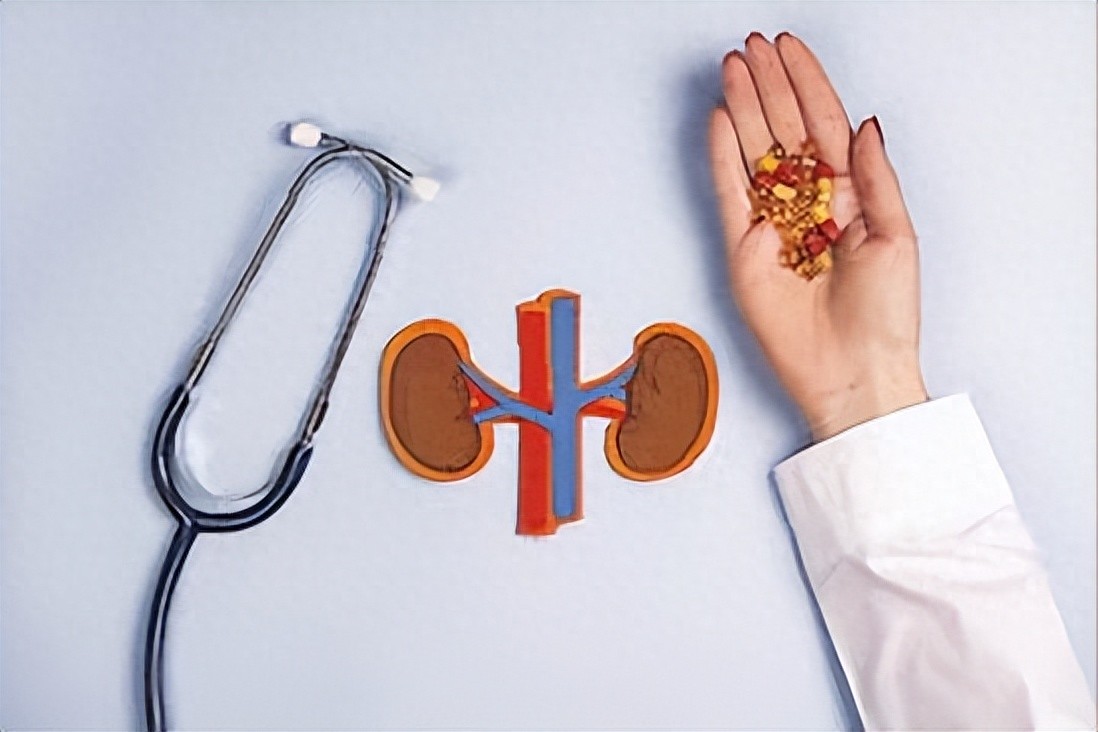
For this type of hypertension classified as "kidney-cold water retention" or "yang deficiency with cold stagnation," the core of traditional Chinese medicine treatment does not focus on directly "lowering blood pressure." Instead, it emphasizes warming and dissolving cold pathogens, revitalizing yang energy, and regulating water metabolism to restore unobstructed circulation of qi and blood. Although the sage physician Zhang Zhongjing did not explicitly mention "hypertension," his approach to treating "water-qi disorders" and "cold transformation patterns of the Shaoyin meridian" still holds valuable insights today. This methodology can be summarized as a three-step process: "unblock, tonify, and consolidate." However, it is crucial to emphasize that clinical application must strictly follow syndrome differentiation and should not be copied indiscriminately.
I. Unblock Waterways and Expel Cold Pathogens ("Unblock")
The kidneys govern water metabolism and regulate urination and defecation. When kidney yang qi is deficient, failing to transform and vaporize fluids, cold water accumulates in the body, obstructing qi movement and disturbing the clear orifices above. In such cases, one can consider the principle of "unblocking yang to transform qi and move water," exemplified by formulas like Wuling San (Five-Ingredient Powder with Poria) from *Treatise on Cold Damage* (note: not a direct antihypertensive formula). The goal is not to directly dilate blood vessels, but rather to restore the bladder's qi transformation function, allowing retained cold-damp pathogens to be expelled through urination. This reduces abnormal fluid retention in the body, facilitates smooth qi and blood circulation, and may alleviate symptoms like dizziness and dysuria. Consequently, blood pressure may gradually stabilize.
II. Warm and Reinforce Kidney Yang to Disperse Cold at Its Source ("Reinforce")
The root cause of internal cold obstruction often lies in kidney yang deficiency—akin to the body lacking its warm, life-giving sun. Therefore, while or after unblocking pathways, it is often necessary to warm and replenish the kidneys' primordial yang to fundamentally enhance the body's warming and motivating capacity. This may involve using formulas like Fuzi Tang (Aconite Decoction, strictly under professional guidance), employing intensely pungent and hot herbs to vigorously supplement primordial yang and expel cold stagnation. With sufficient kidney yang, the body warms up, fluids transform and distribute normally, and blood vessels are no longer constricted by cold. This supports long-term blood pressure stability while addressing root yang deficiency symptoms like cold intolerance, lumbar chill, and fatigue.
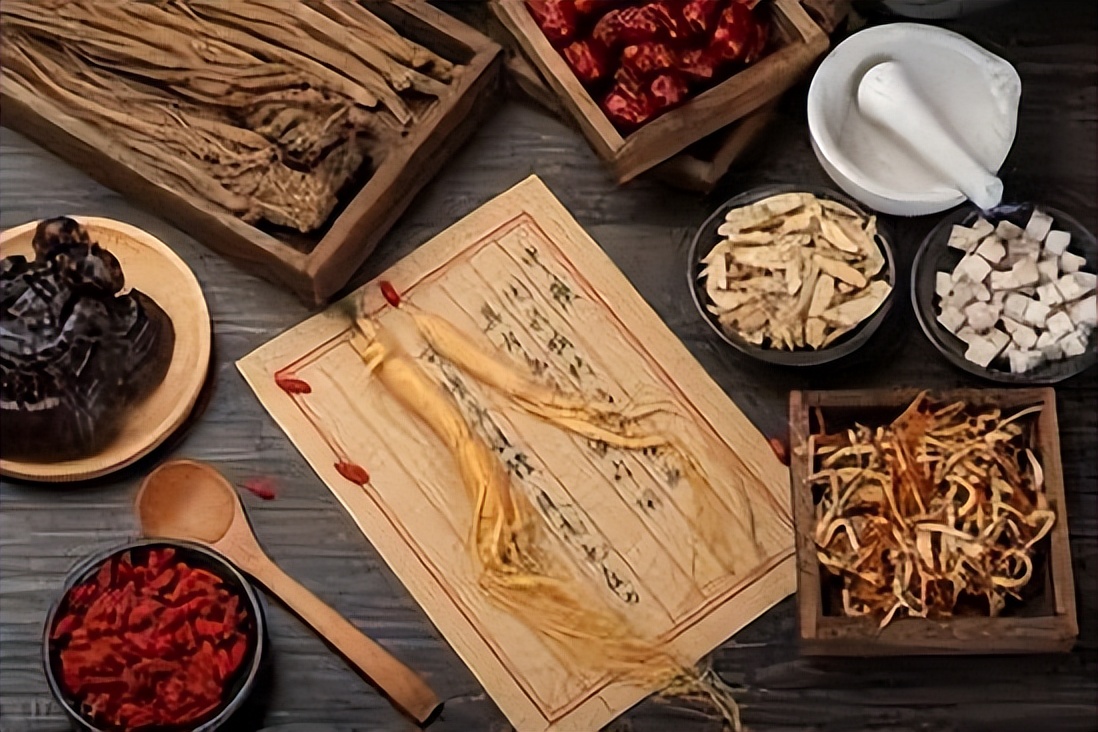
III. Strengthening the Kidneys and Essence, Balancing Yin and Yang (Consolidation)
After warming and unblocking, the kidney's yang energy is restored. At this stage, it is essential to consolidate the foundation, ensuring that the replenished yang energy is not easily dissipated and that yin and yang mutually support each other. The formulation philosophy of remedies like Gui Fu Di Huang Wan (Golden Chamber Kidney Qi Pill) can serve as inspiration. This formula lightly incorporates fire-enhancing ingredients atop a yin-nourishing base, avoiding excessive warmth and dryness, with the intent of "seeking yang within yin," gently generating fire and aiding transformation while reinforcing kidney essence. This approach consolidates the results of the treatment, strengthens the body's resistance to external cold, and aims to stabilize overall health.
Real-life case:
A 52-year-old male patient with long-standing hypertension struggled with persistently high blood pressure despite taking multiple Western medications, especially with significant fluctuations in systolic pressure. He was particularly sensitive to cold, experienced weakness and soreness in the lower back and knees, frequent and excessive nighttime urination, and often felt dizzy, empty-headed, and fatigued. His tongue was pale with a white, slippery coating, and his pulse was deep and thin. Traditional Chinese Medicine (TCM) diagnosed him with kidney yang deficiency and upward rebellion of water qi. While maintaining his Western medication as the foundation, the physician supplemented treatment with TCM herbs (including aconite, poria, alismatis, and achyranthes root) aimed at warming yang, promoting diuresis, and redirecting fire back to its source. After two months of adjustment, the patient reported significant improvements in cold sensitivity, lower back soreness, and nighttime urination, with reduced dizziness and more stable emotions. Although he continued Western medication, his blood pressure fluctuations diminished, the required dosage slightly decreased, and his overall condition improved.
Important note:
The content of this article pertains to a specific TCM diagnostic approach (kidney yang deficiency with water overflow), which by no means represents all cases of hypertension. The causes of hypertension are complex (more commonly seen are liver yang hyperactivity, phlegm turbidity obstructing the middle, yin deficiency with yang hyperactivity, etc.). It is imperative to first undergo professional examination and follow Western medical guidance.
The mentioned herbal formulas (such as Wuling San, Fuzi Tang, Shenqi Wan, etc.) are by no means universal remedies for hypertension, especially since Aconite (Fuzi) is toxic. These must be used under the strict diagnosis and guidance of a TCM practitioner. Self-medication is strictly prohibited.
TCM regulation is typically employed as an adjunctive method and should be combined with conventional diagnosis and treatment. It cannot replace necessary lifestyle interventions or formal pharmacological therapy.